The EU and Electromobility: An unfinished drama

**Image protected by ISE AG – Lucerne**

Europe’s indecisiveness on electromobility does not give its automotive industry any competitive advantage. What truly matters is access to raw materials—on which the energy transition equally depends. Control over these resources still lies far away: in China.

The global pioneer in electromobility is, of all countries, one that relies heavily on oil and gas revenues: Norway. But this is not the only peculiarity in automotive policy. In 2023, the EU effectively decided to phase out internal combustion engine vehicles by 2035—only to partially reverse course 19 months later under pressure from the automotive industry, together with Germany, Italy, and several Eastern European member states.

This is striking because maintaining parallel combustion and electric platforms increases costs for manufacturers. That hardly constitutes a competitive advantage over Chinese competitors. Moreover, the political U-turn undermines the predictable regulatory framework that industry and investors require for planning certainty. This is especially true for the automotive industry, which operates on long development cycles of up to 15 years.

But a more fundamental question arises: Is a one-hundred-percent transition to electromobility even possible? Theoretically yes, according to artificial intelligence. In practice, however, the answer currently appears rather negative—especially when considering the supply of necessary raw materials and clean electricity.

Toothless EU Raw Materials Policy

At the beginning of February, the European Court of Auditors published a report examining the EU’s raw materials policy. In 2023, the EU adopted the Critical Raw Materials Act outlining numerous measures intended to reduce its overwhelming dependence on China and a few other countries for materials such as lithium, cobalt, nickel, and rare earth elements. “Toothless and lacking a coherent plan” was the damning verdict of the auditors regarding Europe’s raw materials strategy.

The World Bank forecasts that the green transition will increase raw material demand fivefold by 2050. Based on 2020 levels, the European Commission estimates that demand for lithium will increase eighteenfold by 2030, while demand for cobalt will increase fivefold. Yet three-quarters of the EU’s raw material needs are imported.

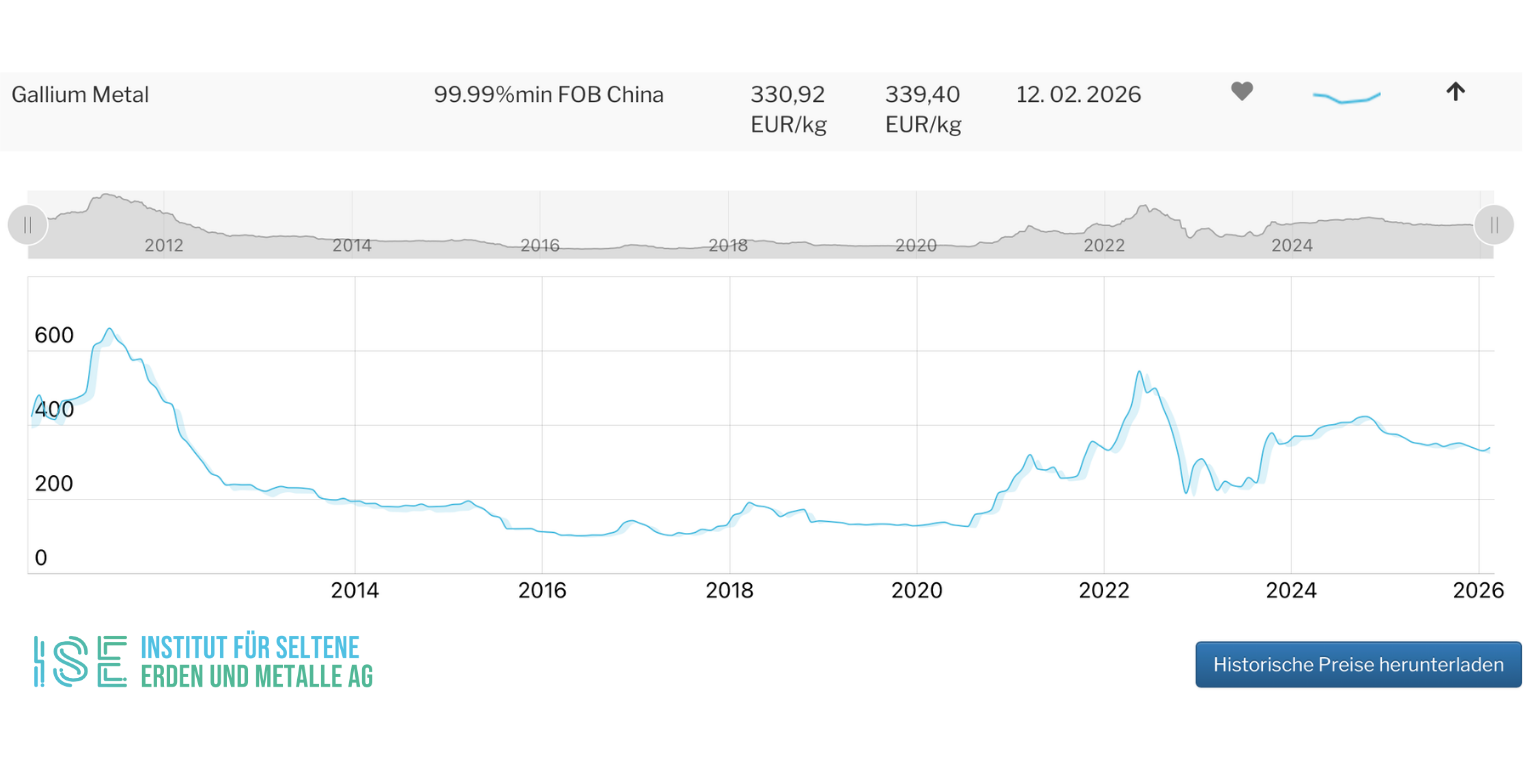
https://ise-ag.swiss/index.php/en/gallium-en

Heavy Losses Due to Shortages of Rare Earths

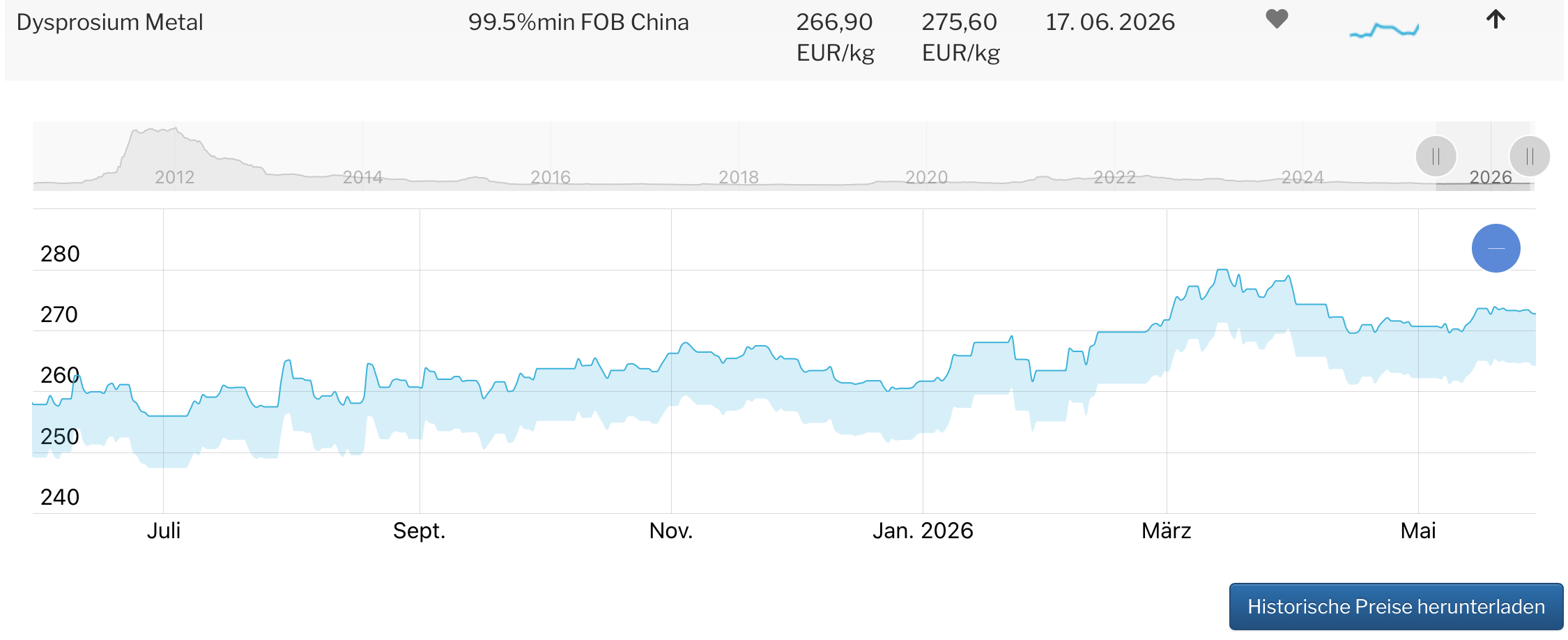
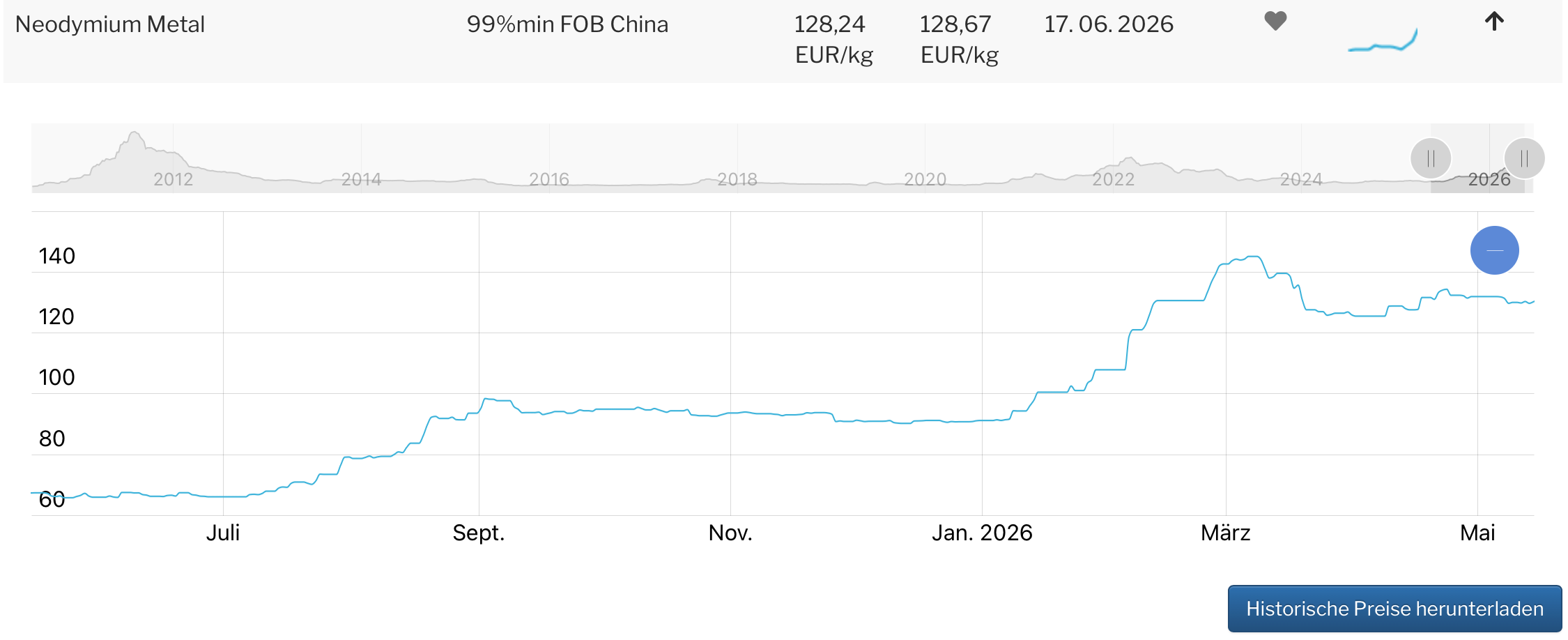
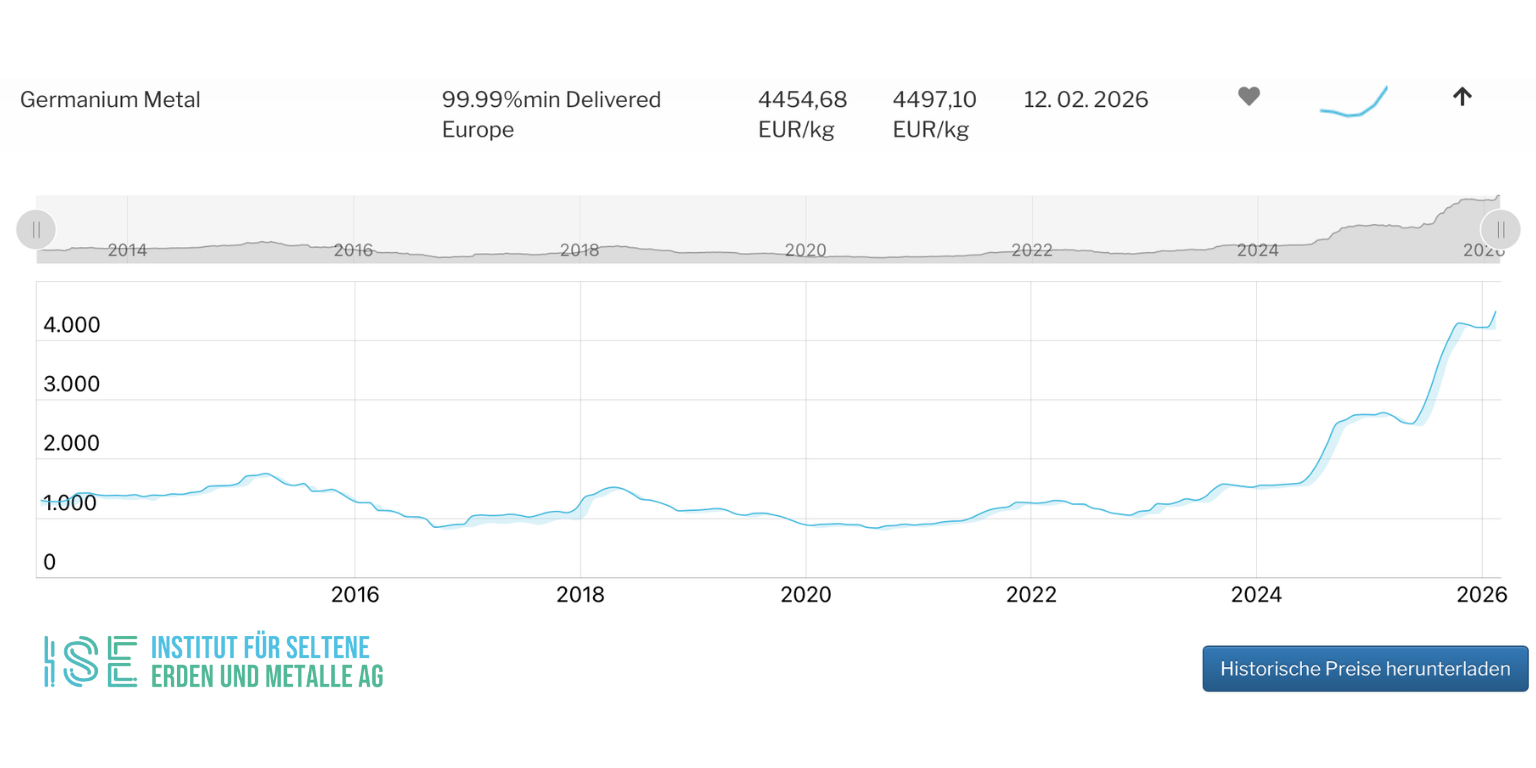
Nevertheless, governments have failed to materially back up their ambitious climate targets. If China chooses to do so, it can simply throttle European industry—as demonstrated by export restrictions on rare earths (permanent magnets), gallium and germanium (used in computer chips) over the past two years.

Thomas Krümmer, a rare earth expert and author of the “Rare Earths Observer,” estimates that the direct and indirect economic losses resulting from China’s rare earth restrictions amount to at least ten percent of global economic output. This has been known since 2010, when China first tightened the screws and triggered the first rare earth crisis—an event that led to the founding of the Institute for Rare Earths and Metals.

https://ise-ag.swiss/index.php/en/germanium-en

Up to 240 Terawatt Hours More Electricity Required

What about the supply of clean electricity? In 2024, 260 million cars were on EU roads. Only three percent—about eight million vehicles—were purely electric. They consume around 16 terawatt hours (TWh) of electricity per year. Total electricity consumption in the EU-27 amounted to 2,732 TWh, of which about 1,000 TWh (40 percent) came from renewable energy sources.

A study by Fraunhofer ISI and the auditing firm PwC forecasts that by 2040, the share of electric vehicles will rise to 30 percent, requiring approximately 240 TWh of additional electricity. To generate this additional power from clean sources, about 120 to 160 gigawatts (GW) of new wind and solar capacity would need to be installed.

However, transport is not the only sector being electrified. Energy-intensive industries, residential heating systems (heat pumps), and data centers are also significantly increasing electricity demand. Overall consumption could rise by 30 to 50 percent—equivalent to an additional 800 to 1,350 TWh. To cover this entirely with renewables, between 470 and 790 GW of new renewable generation capacity would have to be installed over the next 15 years.

The Bottleneck: Grid Expansion

In 2025, according to initial estimates, 85 GW of new wind and solar capacity were added in the EU. If expansion continues at this pace, the EU could realistically achieve its targets.

But solar panels and wind turbines are not the only prerequisites for the green transition. Expanding grid infrastructure, storage capacity, and implementing intelligent control systems are essential to ensure that green electricity reaches where it is required and to guarantee supply security. The expansion of cross-border interconnections also plays a crucial role. The large-scale blackout in Spain—a frontrunner in renewable electricity generation—illustrates the severe consequences of delayed domestic and cross-border grid expansion.

More Raw Material Demand for Power Infrastructure

The investments required for electricity grids in the EU amount to €1.1 trillion by 2040, equivalent to €74 billion per year. Translated into material terms, this means vast quantities of steel and thousands of kilometers of copper cables. The massive expansion of wind turbines and solar panels requires large quantities of critical raw materials such as rare earths, silicon, indium, and selenium, while battery storage depends on lithium, graphite, cobalt, and nickel.

The argument thus comes full circle, returning to the EU’s dependency on raw materials and the auditors’ damning conclusion: “No solid strategy.” It therefore remains unclear how the EU intends to accomplish not only the transport transition but also the broader energy transition without securing the necessary raw materials. Perhaps the wavering course on the combustion engine phase-out reflects a quiet suspicion within political circles that the EU may no longer be able to catch up in the global race for critical minerals.

February 2026 – Arndt Uhlendorff
for the Institute for Rare Earths and Metals AG

Institut für seltene Erden und Metalle AG, Critical raw materials, ISE AG Switzerland, Energy transition, Rare earth elements, Electric mobility, EU industrial policy, 2035 combustion engine ban, Raw material dependency, Lithium supply, Cobalt demand, Nickel market, China supply dominance, Electricity demand, Renewable energy expansion, Grid infrastructure, Battery storage, Supply chain risks, Investment certainty, Industrial competitiveness, Wind and solar capacity, Energy infrastructure investment, Metall Quotes

  • Hits: 356

ISE AG Opens New High-Security Warehouse for Metal and Precious Metal Logistics in Embrach / Zurich

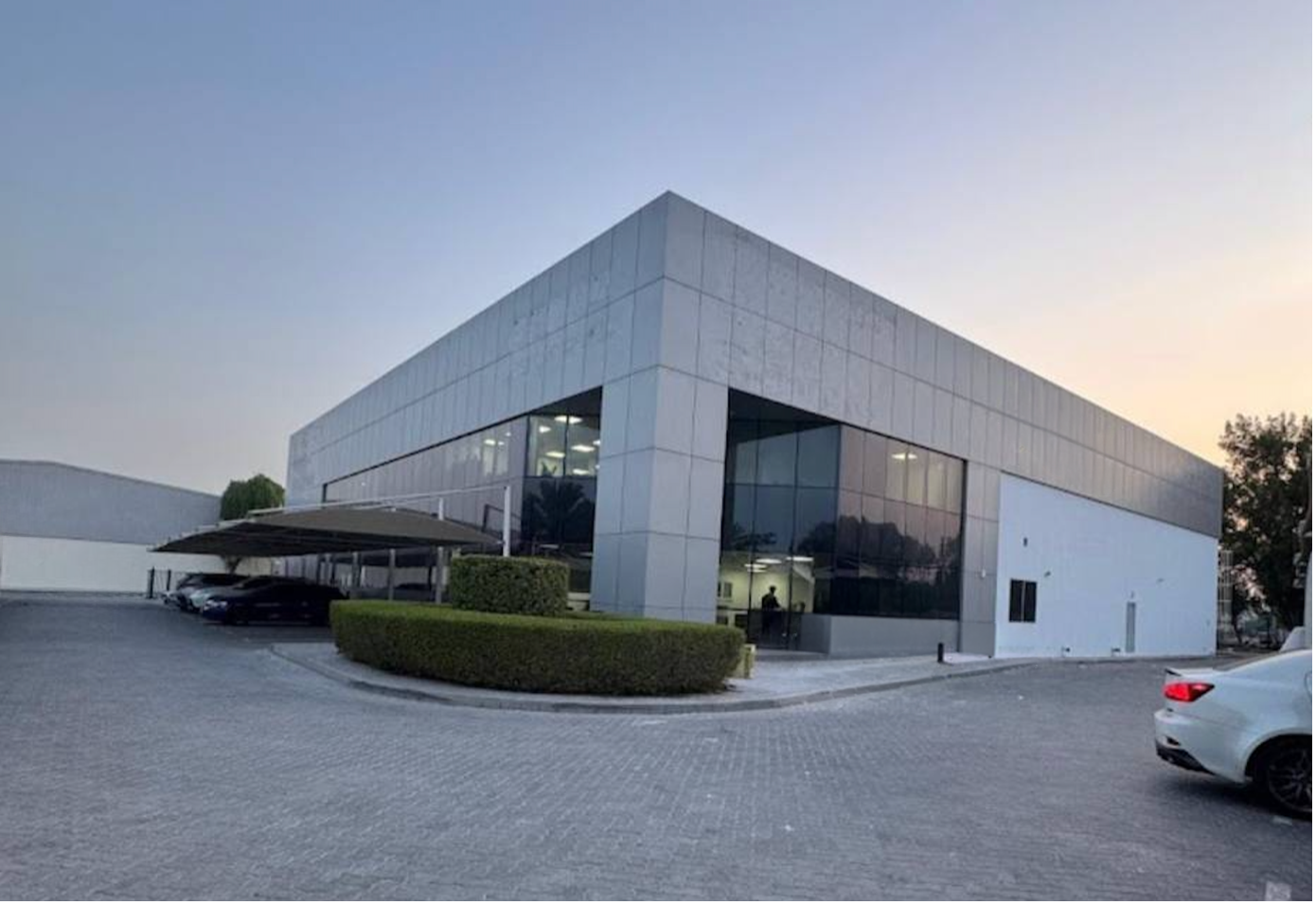
Warehouse Embrach New 2025

ISE AG, a specialist in metal and precious metal logistics, analytics and valuation, has relocated one of its open bonded warehouses in Embrach, near Zurich, to a new, state-of-the-art facility. Situated only about 100 metres from the company’s previous premises, the new warehouse complex sets new standards in security, efficiency and functionality.

From the beginning of 2026, only a very limited number of warehouse spaces in Embrach will remain approved for fine metallic powders. The new ISE facility has been specifically designed to store such fine metallic powders, addressing the growing demand for specialised storage solutions in this field.

The warehouse offers flexible storage options for metals and precious metals in both open and closed bonded freezone areas. The closed bonded freezones are GRASP-certified and are under the direct supervision of the Swiss Customs Authority, while the open bonded warehouses are operated by ISE AG in cooperation with Trans Sped AG.
Equipped with the latest alarm and video surveillance systems and located just 50 metres from customs and police buildings, the site meets the highest security standards.

“With the new facility in Embrach, we are offering our clients not only enhanced security but also an optimal logistics solution for global shipping,” says Arndt Uhlendorff, CEO and Chairman of the Board of ISE AG. “The convenient location – only eight kilometres from Zurich-Kloten Airport – enables fast transport and efficient operations.”

Alongside storage, ISE AG is also expanding its range of services with the new site, offering worldwide transport and customs clearanceinspection and refinement of metallic powdersSafekeeping Receipts are issued directly by ISE AG, ensuring traceable and secure documentation of all stored goods.

New delivery and collection address (effective immediately):
ISE AG / TRANS SPED AG
Lochackerstrasse 4/6
8424 Embrach, Switzerland

ISE Freezone storage (follow the link)

With this new high-security warehouse, ISE AG reinforces its position as a reliable partner for the long-term preservation and secure storage of metals and precious metals.

For further information, the ISE AG team is available at This email address is being protected from spambots. You need JavaScript enabled to view it. or by phone at +41 41 5 11 11 20.

ISE AG - Luzern, 18 Nov 2025

ISE AG, ISE AG Switzerland, Embrach offenes Freilager, ISE-Lager speziell für die Lagerung von Seltenen Erden, flexible Lagerlösungen, Schweizer Zollbehörden, Polizeigebäude, Trans Sped AG, ISE AG Trans Sped AG, Alarm und Videoüberwachung, Serviceangebot, Inspektion, Aufbereitung Metallischer Pullver, open bonded warehouse, state of the art facility, fine metallis powder

  • Hits: 700

Revenue from waste: how the EV battery recycling market will generate $95 billion by 2040

AdobeStock 1569334094

Clean energy technologies are driving demand for critical minerals

Clean energy technologies accounted for a negligible share of total demand for most minerals until the mid–2010s, but today the situation has changed. The energy transition has already become a major driver of growth in total demand for some minerals. According to the Sustainable Development Scenario developed by the International Energy Agency (IEA), by 2040, the share of clean technologies in total demand for copper and rare earth elements will exceed 40%, for nickel and cobalt —–60–70%, and for lithium—almost 90% (1).

Since 2015, electric vehicles and rechargeable batteries have become the largest consumers of lithium, surpassing consumer electronics and collectively accounting for 30% of total current demand. Today, the rechargeable battery sector already accounts for at least 85% of global lithium demand (2).

Recycling and processing of car batteries as a new environmental challenge

Today, there are nearly 60 million electric vehicles in operation worldwide, and this number is growing rapidly. In 2022, this figure was only 26 million. The world′s largest market for electric vehicles, producing more than 70% of such cars, is in China.

A sharp increase in their mass availability to consumers began in 2014–2015. Most electric cars are equipped with lithium–ion batteries, which have an effective service life of 8–12 years, and the first batches of such batteries, produced during the boom, are now beginning to fail en masse, raising the acute question of their environmentally friendly recycling. It is expected that over the next decade, more than 100 million electric vehicle batteries will be taken out of service. The transition from fossil fuels to electric vehicles requires the restructuring of production and supply chains for raw materials to make them more efficient and environmentally friendly. The key to realising this opportunity is battery recycling (4).

Used batteries are not only waste, but also a secondary resource. They contain lithium, nickel, cobalt, manganese and graphite–materials that can be reused in the production of new batteries. Recycling allows to reduce its dependence on import materials, especially lithium, most of the world′s reserves of which are located in China, Chile and Australia.

Regional government policy on recycling

The governments of countries that are leaders in the production and use of electric cars are pursuing an active policy in the field of battery recycling. In the European Union, the Battery Regulation, which came into force in 2023, applies to both electric car batteries and conventional household batteries (5).

This regulation sets targets for the minimum content of recycled materials by 2031 and 2036. It is particularly important that this document is also a key step towards achieving sustainable development and reducing dependence on primary materials. According to it, for example, the minimum recycled content targets for lithium in lithium-ion batteries in 2036 should be 12%, and for nickel 15%. In the United States, battery recycling standards are indirectly managed through the Inflation Reduction Act and related guidance developed by the Treasury and Internal Revenue Service. The Inflation Reduction Act encourages the public to purchase electric vehicles with a tax credit of up to 7500 Dollar. However, in order for vehicles to be eligible for this full tax credit for environmentally friendly cars, the minerals and components used in the car′s lithium–ion batteries must meet new requirements aimed at strengthening the domestic supplychain. For example, part of the credit (3.750 USD) is available in 2026 if 80% of the cost of critical minerals (lithium, nickel, cobalt, etc.) were mined, processed or recycled in the United States or a partner country (6).

China, which is the leader in electric car production, has 162.000 companies registered that are involved in battery recycling. Regulating the disposal of automotive battery waste is a strategic task and is being implemented through specifications and plans by government agencies (7).

The latest edition of the State Council′s “Action Plan for Improving the Recycling and Disposal System for Electric Vehicle Batteries ”by the State Council in 2025 includes the use of digital technology to monitor the movement of batteries throughout their life cycle, ensuring traceability at the stages of production, sale, dismantling and disposal. The Ministry of Industry′s “Specifications for the Comprehensive Recycling of Used Electric Vehicle Batteries” require that the volume of cascade recycling (reuse opportunities) of used batteries must be at least 60% of the actual volume of used battery recycling. The new specifications also require the effective recovery of key valuable metals from spent battery materials. In particular, the extraction rate of electrode powder after crushing and separation must be at least 98%, with aluminium and copper impurity content below 1,5%. The extraction rate of lithium during smelting must be at least 90%, and the extraction rates of nickel, cobalt and manganese must be at least 98% (7).

For processing companies, such specifications require active R&D and the application of technologies for processing cathode and anode materials. Thanks to these requirements, for example, Chinese scientists have developed an ultra–fast method for extracting metals from lithium-ion batteries using glycine: scientists have managed to extract 99,99% of lithium, 96,86% of nickel, 92,35% of cobalt and 90,59% of manganese in just 15 minutes (8).

Creation of black mass and its purification

Battery recycling involves two main stages. The first is pre-treatment, which is where recycling begins. Battery waste is usually crushed and sorted to form a material known as “black mass”. The next stage is purification, during which black mass is processed into valuable lithium, nickel and cobalt-based chemicals for use in battery cathodes. Black mass is purified using pyrometallurgical, hydrometallurgical or direct recycling methods. Hydrometallurgy offers the best recovery rates but is moren expensive due to the large amount of reagents and water required. Pyrometallurgy is technologically simpler but requires high energy consumption, and direct recycling, which involves the recovery of active cathode materials, is still at the pilot study stage but may become the optimal solution in the future. China dominates the global market for both the pre–treatment and purification stages of battery recycling. Currently, of the approximately 4,5 million tonnes of battery scrap produced annually worldwide, around 80% is recycled in China, while Europe accounts for no more than 10% (9).

The second stage of recycling is critical because it converts recycled materials into high-purity chemicals suitable for batteries. China′s black mass recycling capacity is projected to nearly triple by 2025, accounting for 89% of global capacity (10).

Given that revenues from the entire battery recycling value chain, from collection to metal extraction, are expected to grow to more than 95 billion US–Dollar per year worldwide by 2040, this activity will not only be a way to save resources and reduce dependence on external trade chains, but also big business (4). Today, a tonne of battery material already generates around 600 US–Dollar. McKinsey estimates that, in the future, the potential for value creation will grow to a level similar to that of the primary metals sector, which is around 30% depending on price dynamics (4).

Recycling plants in Europe

The second largest market for battery recycling is Europe. At the end of 2023, the maximum total capacity for primary recycling of battery waste in the European Union was around 200.000 tonnes per year, which is about eight times less than in China. The EU mainly has a large number of small and large primary recycling enterprises, which are easy to organise and do not require large investments for construction. However, Europe lags significantly behind China in terms of recycling depth, with significantly fewer metal purification plants and purification technologies. Today, the EU exports black mass for processing to Asia, thereby creating a shortage of capacity at purification plants, which, together with the high investment required for plant construction and the lack of large domestic buyers, does not contribute to the competitiveness of the European recycling market. Producers report that between 60% and 80% of the black mass produced in the EU is exported for processing to other countries, currently South Korea in particular, but in the future possibly increasingly to Indonesia or China. The export of black mass from Europe has also been facilitated by lower metal prices compared to 2022–2023, which has led to a decline in the market value of secondary raw materials, while Asian players with enormous capacities have increased demand and prices for black mass. For example, Korean processors are buying raw materials at a loss in order to utilise their capacity, while factories in the EU are idle. Thus, the current situation on European markets favours the export of black mass outside the EU (11).


lithium

Fall in lithium prices in 2022-2023 (Source: https://ise-metal-quotes.com)

nickel

Fall in nickel prices in 2022-2023 (Source: https://ise-metal-quotes.com)

According to data from the Fraunhofer Institute for Systems and Innovation Research, around a quarter of the European lithium–ion battery recycling market in the EU is made up of Asian companies, another 6–8% are American, and of the remaining traditional European recycling plants, more than half are German companies. Among the major recycling players in the EU market are Belgium′s Umicore, with divisions in Finland, Germany and Poland, South Korea′s SK TES group, with plants in France, Hungary, the Netherlands and Germany, and South Korea‘s SungEel HiTech, the most active in Europe, which accounts for the bulk of European black mass capacity, producing a total of around 200.000 tonnes per year. By 2025, SungEel HiTech will have plants in Hungary, Germany and Poland, while the construction of the SungEel plant in Spain is still in the development stage (12).

Processing plants in the USA

The US has historically lagged far behind China and the EU, as until 2021, almost all American black mass went to Asia, mainly South Korea. However, with the introduction of government support and stimulus measures, the processing market has seen explosive growth in investment in the industry since 2022. By 2030, the industry is expected to grow at least five fold. Thanks to the aforementioned Inflation Reduction Act and the Bipartisan Infrastructure Law, which together provided grants totalling $6,36 billion, by 2024, about 20 large enterprises and projects of various processing levels had been built in the United States. According to the US Department of Energy (2024), based on an inventory of all plants, it was found that in 2024, US plants were capable of producing up to ∼175.000 tonnes of black mass and deeply refining about ∼35.000 tonnes of black mass. By 2030, it is planned to increase this by at least 5 times. The regional processing market in the United States is represented by three clusters. Large centres are located in the Great Lakes and Midwest regions (Ohio, Michigan, New York), the Southeast (South Carolina, Georgia, Kentucky) and the Southwest (Nevada and Arizona) — the historical centre of mining and hydrometallurgy (Redwood Materials, ABTC).

The first cluster, in Rochester, New York, is home to North America's largest Li-Cycle battery deep processing plant. The plant receives black mass from American and European factories, is a partner of Glencore, and produces lithium carbonate and a mixture of nickel and cobalt hydroxides. In the south-west, in Nevada, is Redwood Materials, a project by former Tesla engineer JB Straubel. The plant receives grants from the DOE and carries out a full recycling cycle: collection, dismantling, processing, and production of cathode and anode materials. In the south-east, in Georgia, is SungEel HiTech USA, part of the same South Korean group that built the plant in Hungary. The plant focuses on producing black mass for export to Korea. The main forces driving the rapid development of the recycling sector in the US are government regulation. and strong government incentives, in particular the obligation for manufacturers to use recycled materials in American EVs to receive tax credits of up to 7500 Dollar, as well as tax credits for companies in exchange for using recycled materials.

Results and forecasts

The battery recycling market is experiencing rapid growth, and today china is the undisputed leader in this field. Asian companies have not only built up enormous capacity, but have also established closed technological cycles — from battery collection to the production of cathode materials. Europe, on the other hand, is stuck halfway: most production is limited to preliminary processing, and most of the black mass is sent to asia for recycling. The united states is rapidly catching up with its rivals, launching a wave of investment and tax incentives, but even there, deep cleaning and refining of metals remains a weak link — a link that the east still holds onto. The coming years will see a levelling of forces on the global battery recycling map. China will retain its leadership, as before, but its share will gradually decline. Massive capacity additions in north america and europe are already planned, and according to iea estimates, by 2030, the united states will account for about 10% of global metal extraction capacity, and europe for about 5%. This will be a difficult race for europe: without decisive steps to retain raw materials — strict classification of black mass as hazardous waste, prioritisation of domestic processing and support for cathode material production — the continent risks becoming permanently entrenched in the role of an exporter of added value. If ifri's recommendations are implemented, real growth in the deep processing segment is possible after 2026–2027. The united states, on the contrary, is pursuing a path of active industrialisation: tax breaks and infrastructure grants are creating incentives for the rapid expansion of capacity for the processing and production of lithium salts, mhp and cathode precursors. Even if the political situation changes in the future, the established technological and investment base will allow north america to maintain its position as the second largest global processing centre after asia.


AdobeStock 1411533051


China, Lithium, Nickel, Clean energy, Energy transition, Sustainability, Environmental technology, Electric vehicles, EV batteries, Battery recycling, Secondary raw materials, Cobalt, Copper, Rare earth elements, Circular economy, Recycling industry, Raw material processing, Black mass, Battery materials, Metal recovery, European Union, United States, Government policy, Battery regulation, Green development, Energy future, Resource markets, Green technology, Carbon neutral mobility, Recycling plants, Hydrometallurgy, Pyrometallurgy, Critical minerals, Electric vehicle market, Recycling capacity, Sustainable supply chain

  • Hits: 751

US mineral diplomacy: Washington is seeking a replacement for China in the East

AdobeStock 1569334094

Strategic metals are the new oil of the 21st century. However, unlike oil, rare metals do not flow through pipes — they are mined, processed and protected by export bans.

Today, the struggle for these metals is turning into a new form of global power politics.

The United States today depends on foreign suppliers for around 80 % of its strategic metals. Out of the fifty elements officially classified as critical to national industry and defence, thirty are imported in full. For a country claiming technological leadership, this sounds almost paradoxical. 1

Why does a superpower with its own deposits not extract and process its resources? The answer is simple: it is expensive, environmentally dirty and politically risky.

Since the 1990s, the entire infrastructure for processing rare and strategic metals in the US has disappeared. Thirty years ago, American companies were involved in the separation of rare earth concentrates and the production of magnets, but later the market was literally flooded with exports from China, the undisputed leader in rare metal reserves and processing. 2

China willingly supplied strategic metals at low prices, and the United States, content with the arrangement, chose to shut down its own environmentally problematic production facilities—outsourcing the “dirty work” to Beijing. The balance held for years, until the rise of the digital era and green technologies triggered a surge in demand for semiconductors and other high-tech materials. It was against this backdrop that, on 30 September 2020, President Donald Trump issued an executive order declaring the United States’ dependence on critical minerals from adversarial nations a threat to national security. 3

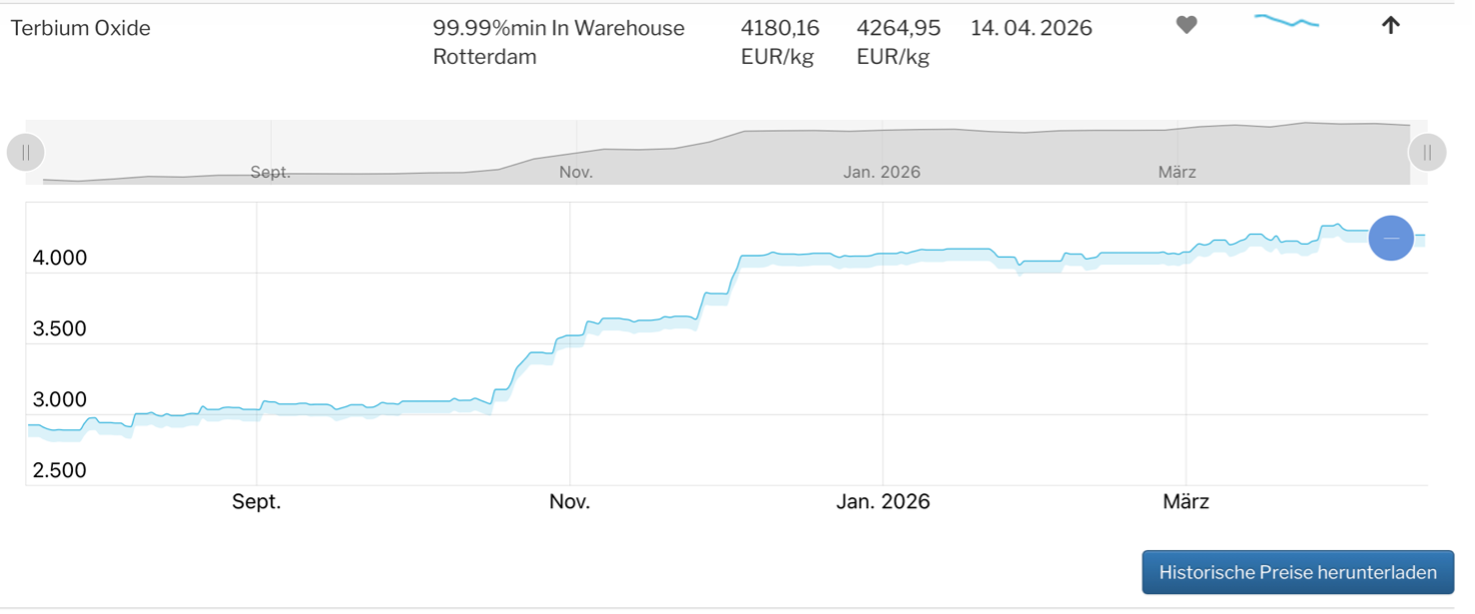
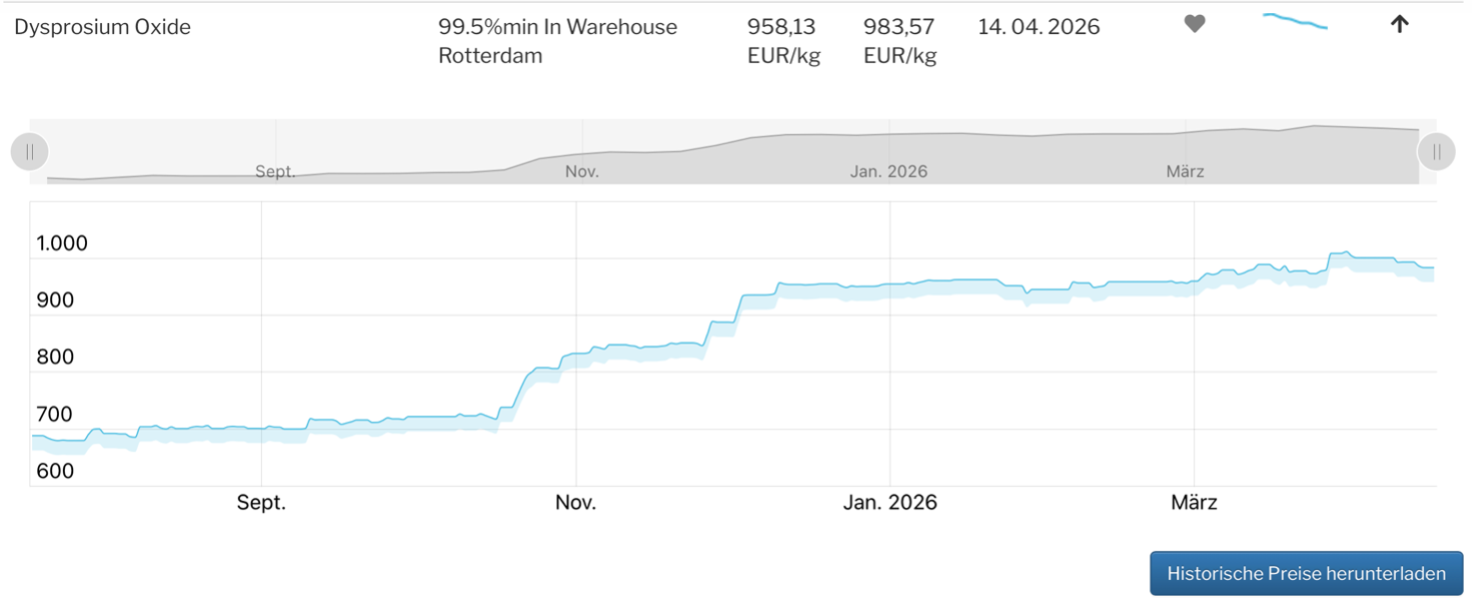
Dysprosium Oxide

A sharp increase in demand for dysprosium since 2020, caused by growth in the production of permanent magnets for wind turbines and electric motors (Source: https://ise-metal-quotes.com/price-logged-in.php).


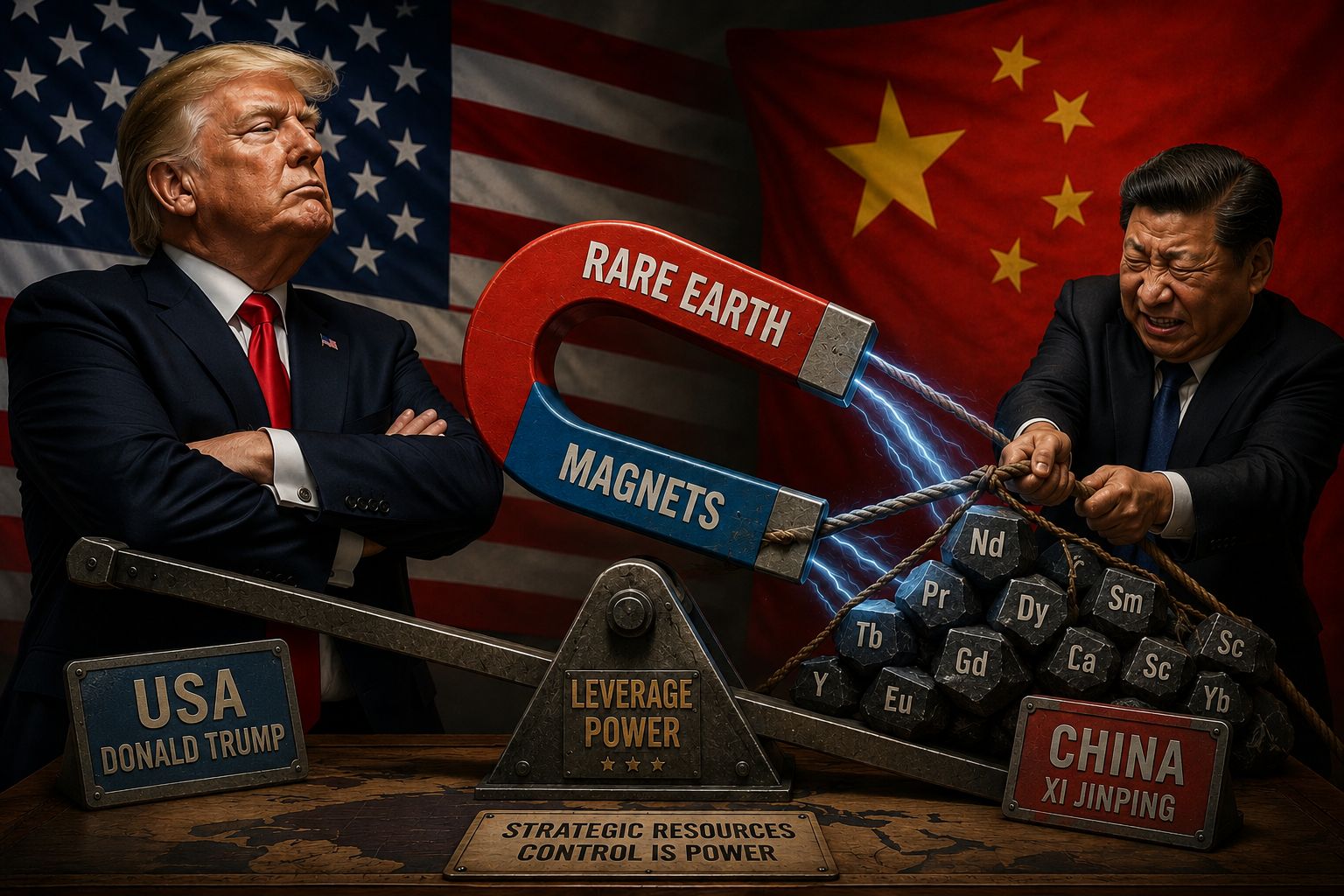
The escalation reached its peak in September 2025, when China completely banned the export of rare earth elements, explaining simply that “we need them ourselves”.  4

The response came swiftly. President Donald Trump set off on a diplomatic tour of Asia and the Pacific, seeking new alliances across the critical-materials supply chain — from resource-rich Malaysia and Vietnam to industrial powerhouses like Japan and Australia.

His goal is to strengthen the US strategic presence in Southeast Asia through a new form of cooperation that analysts have already dubbed ‘mineral diplomacy.’ 

Seeking to lessen its reliance on supply chains controlled by Beijing, Washington is courting partners with promises of investment, joint ventures, and secure supplies.

The ongoing trip has already resulted in the signing of a number of framework agreements on trade and critical minerals with Cambodia, Thailand, Malaysia, Vietnam and Japan.

In Kuala Lumpur, during the ASEAN summit, the US and Malaysia signed an agreement on the development of supply chains for mineral resources and rare earth elements. Similar documents were signed with Cambodia and Thailand. 5

However, the euphoria did not last long. Just a day later, Malaysia's trade minister denied reports that quotas and bans on exports of unprocessed rare metals to the US had been lifted. What exactly the memoranda contain and how they will help Washington circumvent Chinese export barriers remains unclear. 6

Many analysts fear that such tough ‘mineral diplomacy,’ aimed at reducing dependence on China to 25% by 2030, could backfire. Southeast Asian countries, for which China remains the main trading partner, may perceive American pressure as interference in the regional balance and — contrary to Washington's intentions — move even closer to Beijing. 7

Japan occupied a special place on the tour. Prime Minister Sanae Takaichi, who had just taken office, proposed a ‘new golden age of relations’ to Trump, the first step of which was a framework strategic agreement on critical minerals and rare earth elements. 8

At first glance, an alliance with Japan seems strange: the country itself is 80–90% dependent on Chinese supplies of rare earths. But that is precisely why the agreement has symbolic and strategic significance — it creates a ‘mini-alliance on rare metals.’ 9

The document provides for the creation of a joint investment fund, estimated by analysts to be worth up to $5 billion, for the exploration and development of rare earth and lithium deposits in third countries — Australia, Vietnam and Malaysia. 10

The parties also agreed to build new facilities for the separation and purification of rare earth elements in Japan  and the United States. The agreement provides for the removal of export restrictions between the countries, as well as cooperation in research and development (R&D), particularly in technologies for processing heavy rare earths and creating magnetic alloys for high-tech industries. 11 12

A joint investment plan and supply map will be approved within six months. The Japanese JOGMEC (Japan Oil, Gas and Metals National Corporation) and the American Export-Import Bank have been tasked with financing the projects, which will support mining in Australia, Malaysia and Vietnam. 13

The main goal is to bypass dependence on Chinese concentrate and build alternative logistics for the supply of critical materials.

Trump's series of agreements does not solve the problem instantly, but it sets a new architecture for the global market for critical minerals. If the US and its partners succeed in building alternative logistics, dependence on China may indeed be reduced. However, success will depend on how willing Southeast Asia is to accept American leadership without fear of losing economic ties with Beijing.

China, Vietnam, Critical raw materials, Energy transition, Electric vehicles, United States, Critical minerals, Malaysia, Japan, Donald Trump, strategic metals, rare earths, mineral diplomacy, supply chains, resource security, renewable energy, wind turbines, semiconductors, high-tech materials, Southeast Asia, Indo-Pacific, Australia, US foreign policy, geopolitics, trade policy, export bans, mining industry, rare earth processing, joint ventures, investment fund, energy independence, technology leadership

  • Hits: 651
Metal prices as an indicator of political change worldwide

Metal prices as an indicator of political change worldwide

 compressed AdobeStock 1516292821

Arndt Uhlendorff, CEO of the Institute for Rare Earths and Metals AG, explains why it is so important to track and analyse the fluctuations in metal prices


BY OBSERVING fluctuations in metal prices and understanding patterns established over decades and centuries, we can gain insights into global events, anticipate future developments, and make informed decisions – whether to buy, sell, and at what price.

Metal prices are highly volatile during times of anticipated or ongoing military conflicts. These fluctuations result from a combination of economic, geopolitical, and psychological factors.

Gold plays a pivotal role during periods of economic instability or geopolitical tension. Nations often increase their gold reserves because it serves as a ‘safe haven’ asset. Gold is not tied to financial systems (e.g., SWIFT), enabling countries to bypass international sanctions. During wars or major conflicts, gold can be used to pay for imported weapons, food, and other essential goods.

During world wars, many countries expanded their gold reserves, understanding that their currencies might 

lose value. For example, Germany and the United States heavily relied on gold during the First and Second World Wars to purchase resources.

In recent years, nations like Russia, China, and India have significantly increased their gold reserves. This move is linked to diversifying reserves and preparing for potential economic upheavals.

During global crises such as the COVID-19 pandemic or escalating geopolitical tensions, gold prices reached record highs, reaffirming its status as a ‘safe harbour.’ Monitoring gold prices can thus be a key to predicting geopolitical shifts and the prices of other metals and metal products.

For example, sanctions imposed on Russia in 2022 after the outbreak of the war with Ukraine led to a sharp increase in palladium and nickel prices, as Russia is one of the largest producers of these metals.


Nickel Cathode

Gold wire price 

The rise in gold wire prices as an example of a reaction to the launch and active development of artificial intelligence (AI) technologies

The sharp rise in the price of gold wire in 2023 illustrates how technological innovations, such as the development of artificial intelligence (AI) technologies, can drive demand for specific metal products used in microelectronics and semiconductors.

Gold wire prices remained relatively stable at around €300 per 10cm until 2023, but the large-scale production of chips and high-performance computing systems that use gold (e.g., in conductors and microcircuits) caused a significant price surge, stabilising at around €400 per 10cm.

The rise in gold wire prices due to AI technology development 
Another recent example of political actions impacting the global market is the sharp rise in prices for gallium, germanium, and antimony in the summer of last year. This coincided with China’s announcement of restrictions on the export of rare metals like gallium and germanium, essential for US microelectronics production. These restrictions were a response to US actions aimed at curbing China’s microelectronics industry.

The US ban on transferring cutting-edge technologies and next-generation microchips to China set the country back several years in AI development, including military AI technologies. With China controlling over 80% of global germanium production and US government gallium reserves running low, these measures had farreaching consequences.

Following stricter restrictions, China nearly ceased exporting gallium and germanium to the US, causing a sharp price increase: gallium prices rose by 80%, and germanium prices doubled. According to estimates by the U.S. Geological Survey, a total export ban on these materials could cost the US economy $3.4bn. While Washington is seeking to diversify supply chains, a quick resolution seems unlikely. 

The impact of Chinese government restrictions on antimony exports 

In addition to gallium and germanium, China banned the export of antimony-containing products to the US in 2024. China accounts for half of the world’s antimony production, widely used in the military industry for ammunition and nuclear weapons manufacturing. 

Germanium


Previously, antimony extraction was considered unprofitable, but by November 2024, the Rotterdam price for antimony reached $39,000 per ton, over three times its price at the start of the year. Canadian company Spearmint Resources announced plans to resume antimony mining in New Brunswick, signalling the potential exploration and development of new antimony deposits globally.

The role of rare earth and minor metals in the global green economy 

The global shift towards a ‘green’ economy has been a key factor driving up the prices of rare earth and minor metals. Countries aim to reduce carbon emissions and adopt renewable energy sources, significantly increasing demand for metals needed to produce solar panels, wind turbines, and batteries. Additionally, the rapid development of electric vehicles (EVs) requires large quantities of lithium, cobalt, nickel, and other rare earth elements for batteries and electric motors. Limited supplies, concentrated in a few countries like China, and the high costs of environmentally safe extraction have further pushed up prices. Moreover, these materials’ critical role in future technologies has spurred speculative market growth. As a result, the costs of rare and minor metals, central to the ‘green’ economy, have risen globally. 

Niche markets and pricing for rare commodities Beyond metals widely traded on exchanges, some rare minerals are difficult to price due to infrequent transactions, unique characteristics, and the lack of a standard market. For instance, osmium, especially its isotope osmium-187, is one of the rarest and most unique commodities in the global metal market. Kazakhstan is the primary exporter of osmium-187, making it extremely scarce.

Due to its rarity and specific mining requirements, osmium-187 is not traded on exchanges, and its market price is determined by laboratory assessments of quality, purity, and uniqueness, as well as previous transaction data. This pricing structure highlights the strategic importance of osmium-187 for high-tech and scientific applications, where it remains irreplaceable. 

Antimony

Metall prices 2025

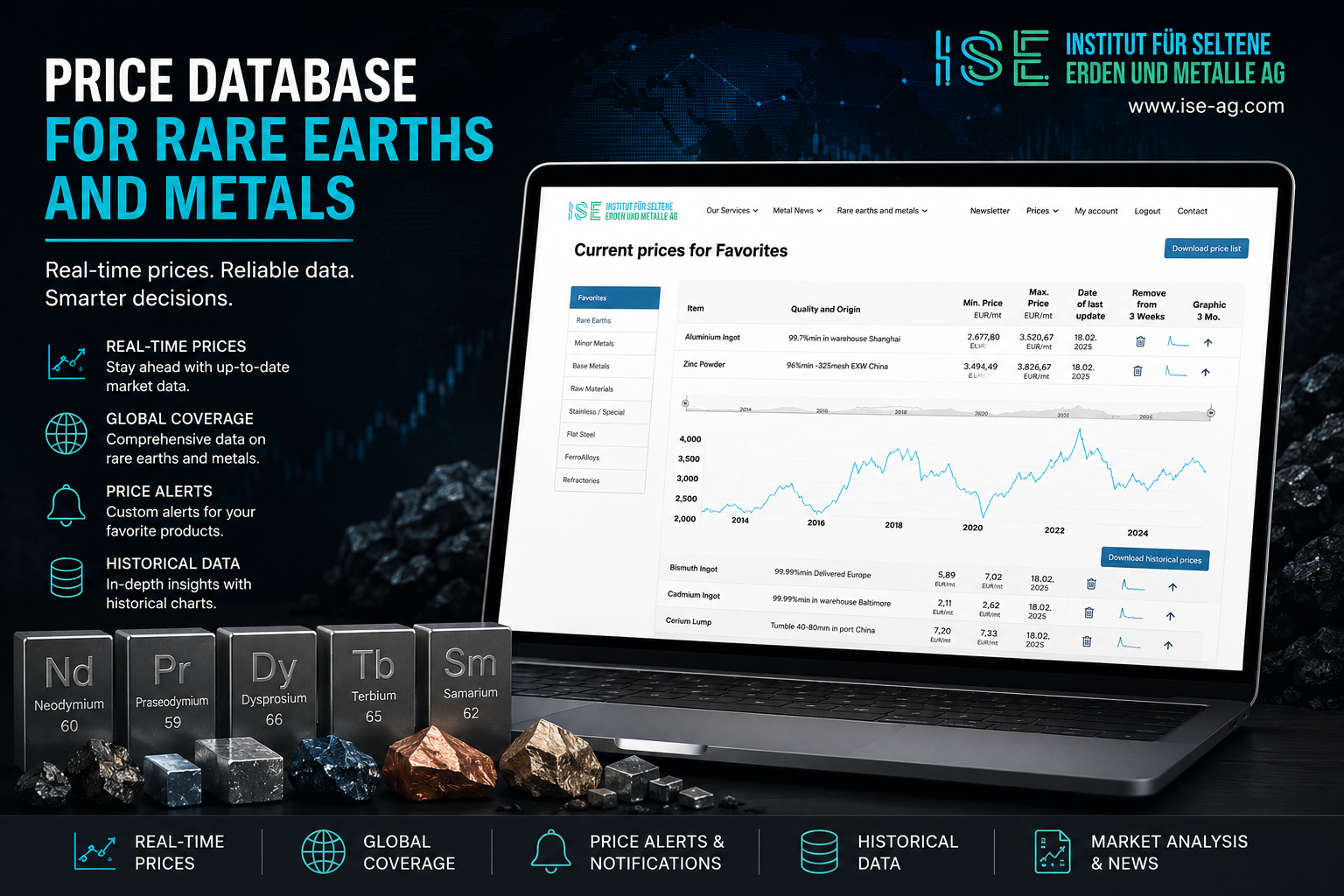
ISE’s metal price database 

For over ten years, ISE has maintained its proprietary metal price database, which includes over 19,500 items. This database is built from diverse sources, including insider information about non-exchange-traded metals. Users of the monitoring system include individual clients, major electrical equipment manufacturers, international auditing firms, governmental institutions, and global research universities. Access to the system is available via the ISE AG website on an annual subscription basis, with a 24-hour trial period. Data is updated daily and can be exported in CSV format.

Monitoring metal prices helps identify key drivers of technological progress and their impact on the global economy, as well as anticipate economic changes. This makes it a crucial tool for businesses, policymakers, and researchers alike.

About the Institute for Rare Earth Elements and Metals 
The Institute for Rare Earth Elements and Metals AG (ISE AG), established in 2008, is a leading company specialising in high-precision metallurgical analysis and metal storage. Headquartered in Switzerland, the company operates offices in six countries and maintains a global network of 80 employees.   

ISE AG focuses on analysing precious and rare earth metals, as well as high-purity industrial products. The company offers highly secure storage facilities in modern warehouses spanning over 8,000m² in Switzerland, ensuring strict inspection and documentation protocols to preserve material integrity.

In its laboratories, ISE AG employs advanced technologies such as GD-MS, ICP-MS, and XRF to perform detailed analyses of a wide range of metals in compliance with ISO standards. Additionally, the company provides metal valuation services, offering reports and audits aligned with IFRS13 standards, and grants online access to real-time prices of over 19,500 metals and their products, enabling informed decisionmaking in a dynamic market environment. ISE AG is also actively involved in research, particularly in the field of metal recycling, collaborating with international universities to develop sustainable methods for recovering critical rare earth elements and minor metals. 

Combining cutting-edge technology with a commitment to quality and sustainable resource use, ISE AG is a trusted partner in the metallurgical industry.


kritische Rohstoffe, ISE AG Switzerland, Führung in der Metallindustrie, Experte für seltene Erden, Metallanalyse und Bewertung, Nachhaltige Ressourcennutzung, Internationale Metallmärkte, Metallpreis-Analyse, Metallpreis-Datenbank, High-precision metallurgical analysis, GD-MS, ICP-MS, XRF-Technologien, ISO-konforme Metallanalysen, IFRS13 Metallbewertung, Metallrecycling-Forschung, Nachhaltige Metallrückgewinnung, Metallpreisüberwachungssystem, High-purity industrial metals, Advanced metal analytics, Metalllagerung mit höchster Sicherheit, Seltene Erden und Metalle, Globale Metallpreise, Edelmetallmarkt, Gallium, Germanium, Antimon, Osmium-187, Rohstoffknappheit, Green Economy, Elektrische Fahrzeuge (EV) und Batteriemetalle, Geopolitische Einflüsse auf Metallpreise, Arndt Uhlendorff – Leadership in Rare Earths and Metals, Tracking global metal price trends – ISE AG Switzerland, Innovative metal analysis and storage solutions, Research and sustainability in rare earth elements, Trusted partner for high-precision metal analytics, Metallanalyse Schweiz (metal analysis Switzerland), Hochpräzise Metallanalytik (high-precision metallurgical analysis), Metallbewertung nach IFRS13 (metal valuation IFRS13), Metallpreis-Datenbank (metal price database), Edelmetalllagerung Schweiz (precious metal storage Switzerland), Forschung zu kritischen Rohstoffen (critical raw materials research), Nachhaltige Metallrückgewinnung (sustainable metal recycling), Arndt Uhlendorff CEO ISE AG, Einfluss geopolitischer Ereignisse auf Metallpreise, Gallium, Germanium und Antimon Markttrends, Osmium-187 Marktwert und Anwendungen, Künstliche Intelligenz und Metallnachfrage, Grüne Energie und Rohstoffbedarf, Recycling seltener Erden, Schweizer Labor für Metallanalyse, Sicheres Metalllager für Investoren, Preisentwicklung von Edelmetallen, High-tech metal analytics and sustainability

  • Hits: 1536