Looking for detailed information on rare earths and metals ?
The resources of our Earth are limited. Rare earth elements and strategic metals have become indispensable in our modern world. Without these metals, the production of smartphones, fiber optic networks, electric mobility, laser technology, solar technology, modern medical equipment, LEDs, and many other technologies in use today would be impossible. We have categorized the individual elements into base metals, rare earths, and strategic metals. There are many other terms and classifications, such as specialty metals, non-ferrous metals, technology metals, and so on, but we have chosen to focus on these categories. Discover more about the discovery, utilization, and composition of these metals here.
Whether it’s the high-tech industry, the energy transition, or geopolitical developments, rare earths and exotic metals lie at the heart of numerous future challenges. On our blog, we regularly shed light on the latest developments, market trends, and political decisions concerning minor metals, base metals, and critical raw materials.
We provide in-depth analyses, news, and background reports on topics such as:
Supply and demand in the global metals markets
Regulations, sanctions, and their impact on trade and industry
Technological innovations and applications of rare metals
Geopolitical risks, supply chains, and strategic resource security
Whether you are an industry expert, investor, or simply curious, you will find relevant content with us about the world of exotic metals and their growing importance in a changing global economy.
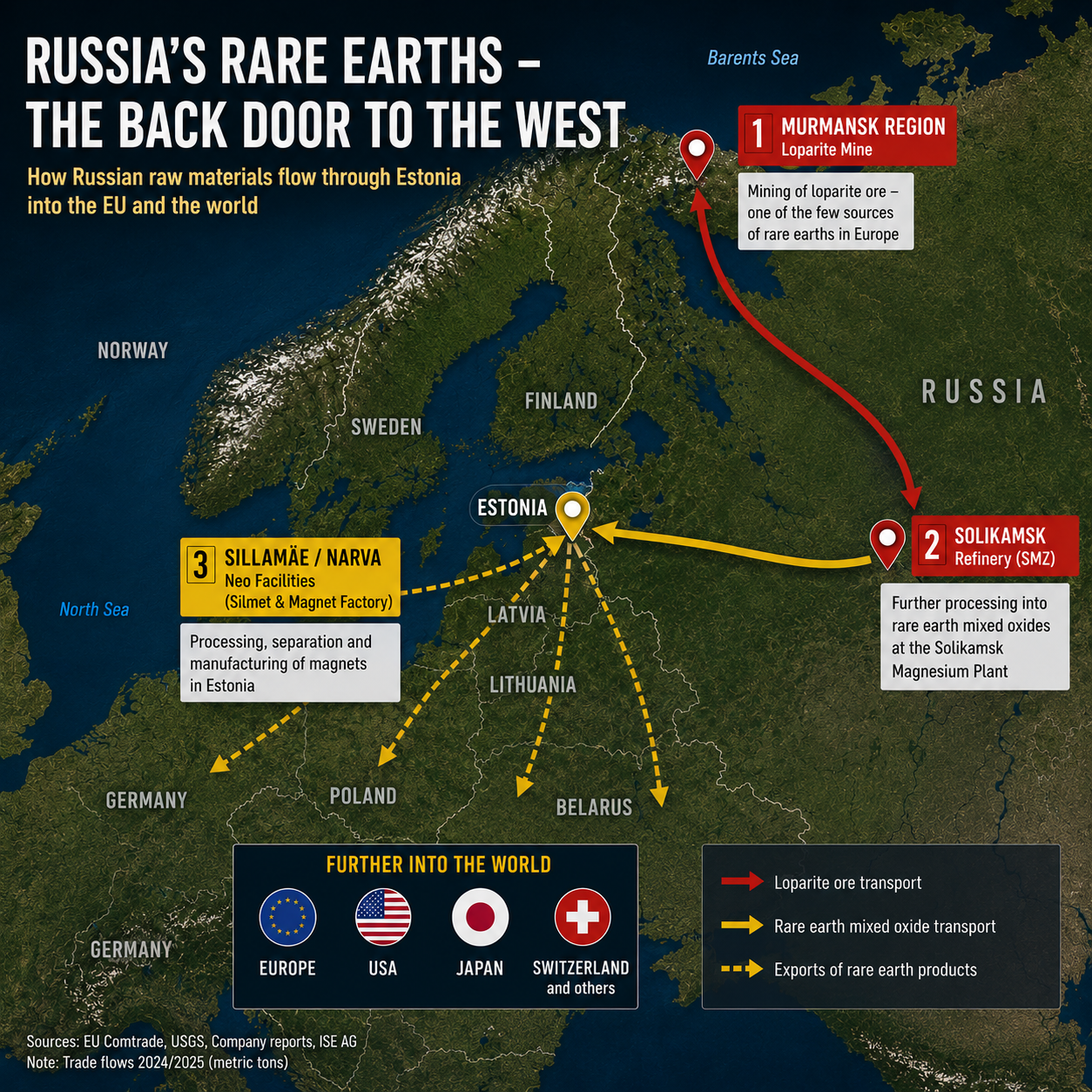
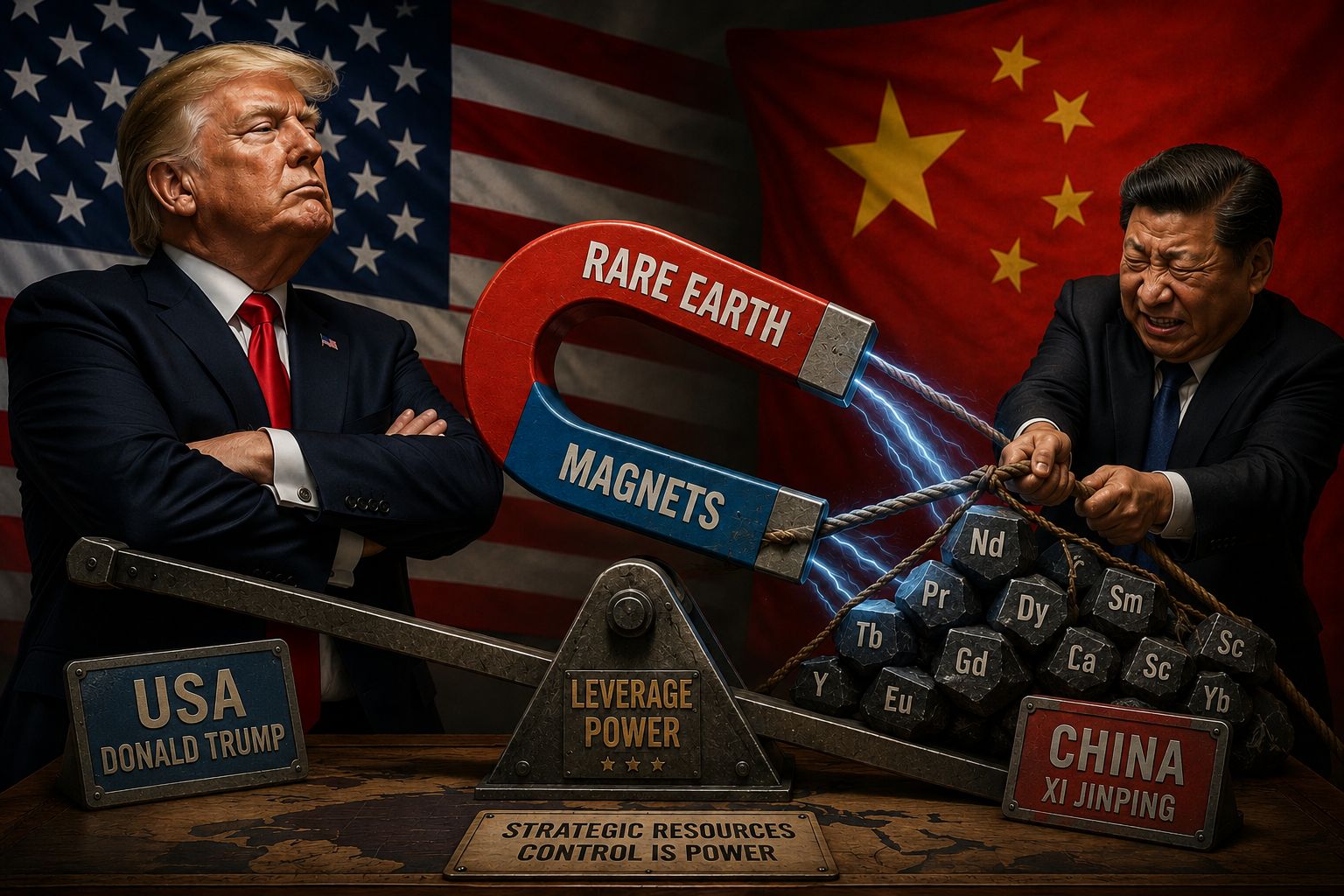
Europe's Raw Materials Dilemma: Between China, Trump, and Russia's Rare Earths
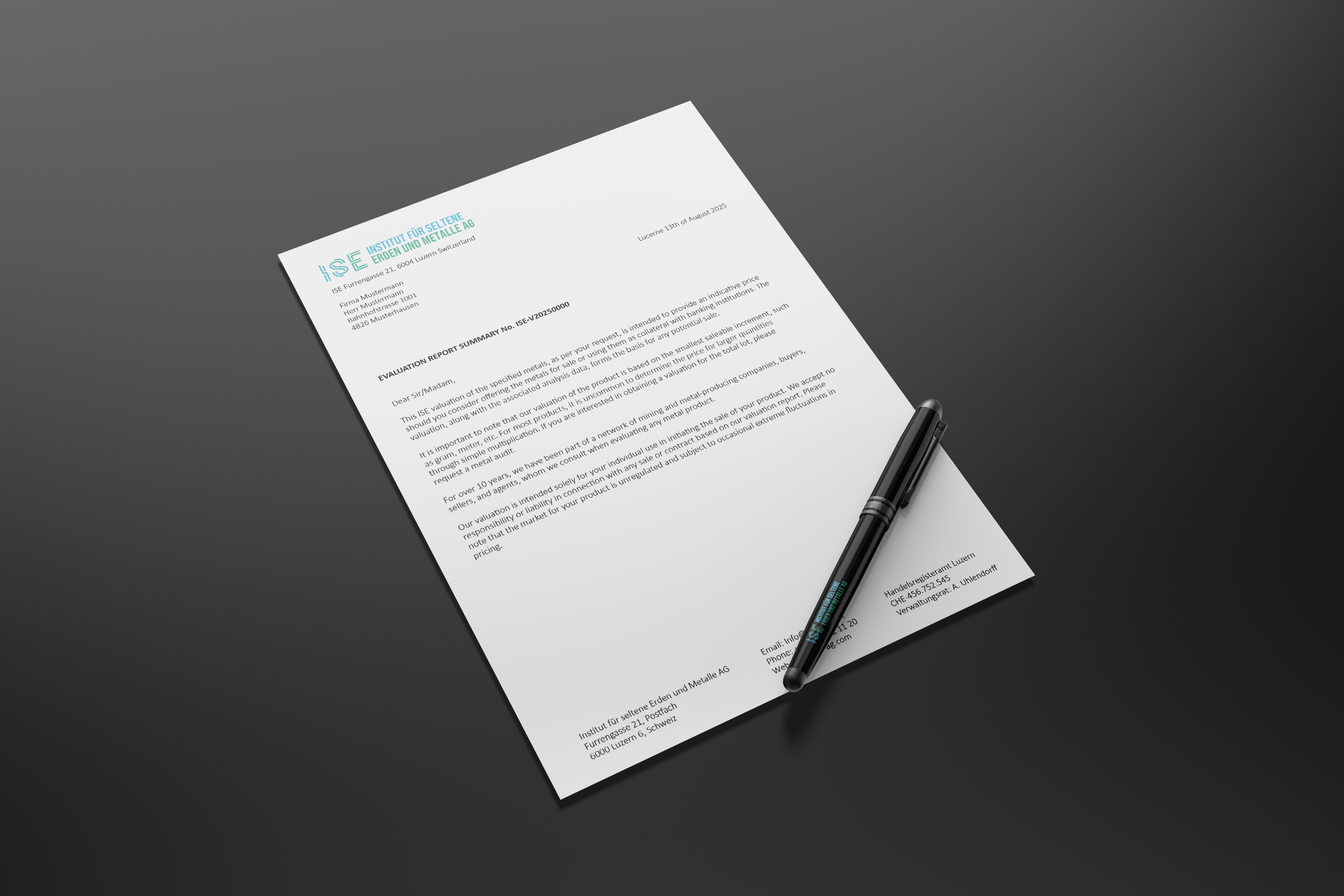
A metal valuation by ISE provides you with a reliable basis for negotiations when selling or securing credit against your metals with potential buyers or banks. The valuation, complemented by an analysis, forms the foundation for the sale of your goods.
Please note that some other institutions may issue higher valuations for various metals. However, the price of a commodity is not an arbitrary figure that can be set at will. For us, acceptance of objective documentation based on the actual realized price is crucial. Please keep this in mind beforehand to avoid unnecessary revisions of your documentation later and to prevent potential obstacles in your business dealings.
WWe do not accept analyses from institutions unknown to us as a basis for valuation. If you wish to commission a valuation, an analysis conducted by our institute (ISE) is required.
Good to know
Our valuation always refers to the smallest unit of a product (e.g., gram, meter, etc.). The price can only be linearly scaled in a few cases. To determine the price of your entire lot, we are happy to prepare a metal audit for you.
To determine a price for a metal, we rely on an organically grown network of mine operators, producers, buyers and sellers, brokers, and end customers that has been established over more than 10 years.
For more information, please see “How We Work”
Metal analysis to the highest standards is our commitment. Our analyses are conducted in laboratories regularly audited and certified according to the ISO standard DIN EN ISO 9001. Our laboratory work is conducted in accordance with ISO/IEC 17025, which is the international standard for the competence of testing and calibration laboratories. Through collaboration with our analytical partner, we have access to a full range of state-of-the-art equipment and a team of highly qualified chemists. Metal analysis takes 5 to 7 business days. Even the most demanding analyses are in good hands with us.
ISO 9001 ISO 17025
Certified
10+
Chemist
5-7 Days
Duration of Analysis
Sampling Procedure
The Sample Taking
An analysis begins with sampling. If you only want to receive the results of a metal sample, it is sufficient to send us a sample for analysis.
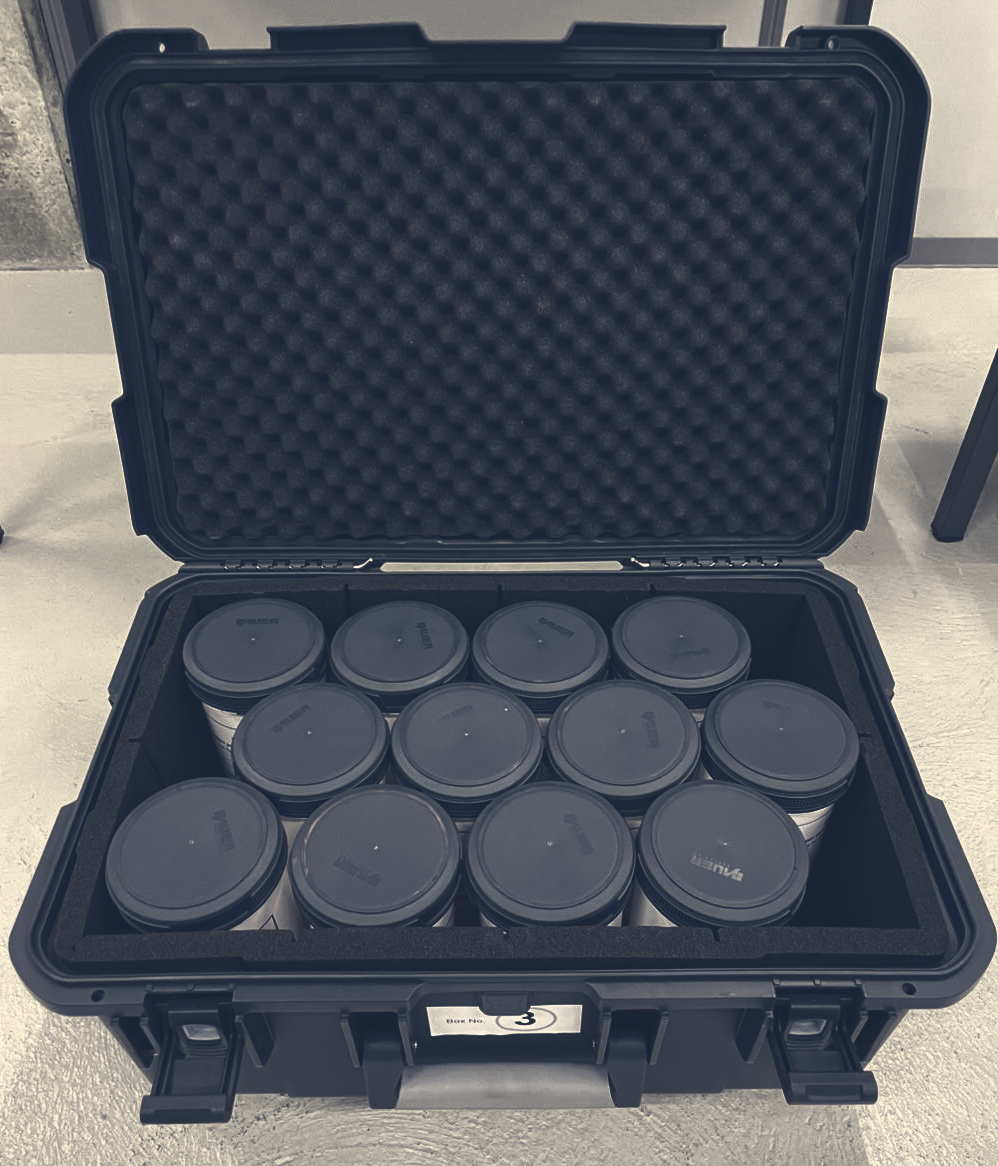
However, if you want to determine the quality of your entire lot, it is essential that either the entire shipment is sent to us or that we come to the goods to take samples randomly. We randomly select and open 4–6 containers to collect samples. For a qualified analysis, we require 5 grams of material. The entire process is documented with photographs and recorded in detailed protocols. All containers are properly resealed with ISE security seals after sampling, and this is also documented.
Sample Taking Example:
If desired, you will receive a sampling protocol along with the analysis. This document details the exact sampling procedure in writing, supplemented with photographs. This process is important to demonstrate to any interested party that the entire shipment maintains consistent quality.
Types of Analysis
Analytical Excellence for Rare Earths and High-Purity Metals
Precise analysis of rare earth elements (REEs), high-purity metals, and complex material systems requires outstanding scientific expertise, state-of-the-art laboratory technology, and an in-depth understanding of metallurgical and chemical processes. Together with its specialized partner laboratories, the Institut für seltene Erden und Metalle AG (ISE) has focused on exactly these demanding analytical challenges and is today regarded as a leading partner for advanced metal and material analysis.
The institute’s analytical services are centered on the investigation of high-purity metals, mixed metals, alloys, as well as geological and mineral samples such as ores and soil materials. In particular, reliable analytical data for rare earth elements has become increasingly important, as these strategic raw materials are essential for modern high-tech industries including electromobility, renewable energy systems, aerospace, semiconductors, and defense technologies. Even the smallest impurities or deviations in elemental composition can significantly influence material properties, processing behavior, and overall economic value.
To meet these demanding requirements, ISE relies on a combination of highly advanced analytical methods. For ultra-trace elemental analysis, the institute and its partners utilize technologies such as GD/MS (Glow Discharge Mass Spectrometry), ICP-OES (Inductively Coupled Plasma Optical Emission Spectrometry), ICP-MS (Inductively Coupled Plasma Mass Spectrometry), and XRF (X-ray Fluorescence Analysis). These analytical techniques enable the precise qualitative and quantitative determination of major, minor, and trace elements — even at ppm and ppb concentration levels.
GD/MS technology plays a particularly important role in the analysis of high-purity metals. This method allows direct solid-state analysis without extensive sample dissolution and provides exceptionally low detection limits for metallic materials. Especially in the field of high-purity metals and rare earth elements, GD/MS is indispensable for identifying even minimal contamination and ensuring reliable quality assessment of advanced materials.
In addition to chemical composition analysis, the characterization of particles, surfaces, and material structures is becoming increasingly important for industrial and scientific applications. For this purpose, ISE employs a state-of-the-art scanning electron microscope (SEM), enabling highly detailed investigations of particle size distributions, morphology, surface structures, and microstructural properties. The combination of SEM technology with advanced elemental analysis creates a comprehensive analytical platform for research, quality assurance, failure analysis, and industrial development projects.
The consistently high quality of analytical results is ensured through cooperation with ISO 17025 accredited laboratories. This internationally recognized accreditation standard confirms the technical competence of testing and calibration laboratories and guarantees reliable, reproducible, and internationally accepted analytical results. In addition, the laboratories regularly participate in interlaboratory comparison tests and proficiency testing programs organized by renowned institutions, continuously validating the precision and accuracy of their analytical performance.
A key strength of ISE is the scientific expertise of its chemists and materials specialists. The experts working with the institute are active members of leading professional organizations such as the GDCh (German Chemical Society) and the GDMB (Society of Metallurgists and Mining Experts). Through this close integration into scientific and industrial networks, ISE remains at the forefront of analytical innovation, regulatory developments, and emerging technologies in the field of rare earths and advanced materials.
With its clear specialization in rare earth elements, high-purity metals, and sophisticated material analysis, the Institut für seltene Erden und Metalle AG combines cutting-edge analytical technology with scientific excellence and many years of practical experience. Industrial companies, research institutions, and technology partners benefit from highly precise, dependable, and internationally recognized analytical services at the highest professional level.
Analytical Procedures
The following equipment is utilized:
GD-MS
Glow Discharge Mass Spectrometry (GD-MS, Solid-State MS)
This method is performed directly on the solid material without chemical digestion:
Analysis of Pure Metals
Analysis of Metal Alloys
Analysis of Non-Conductive Materials
Analysis of Powders
Analysis of Wires
Analysis of Nearly All Types of Metal Forms
A Thermo Scientific Element GD Plus Glow Discharge Mass Spectrometer (GD-MS) is used.
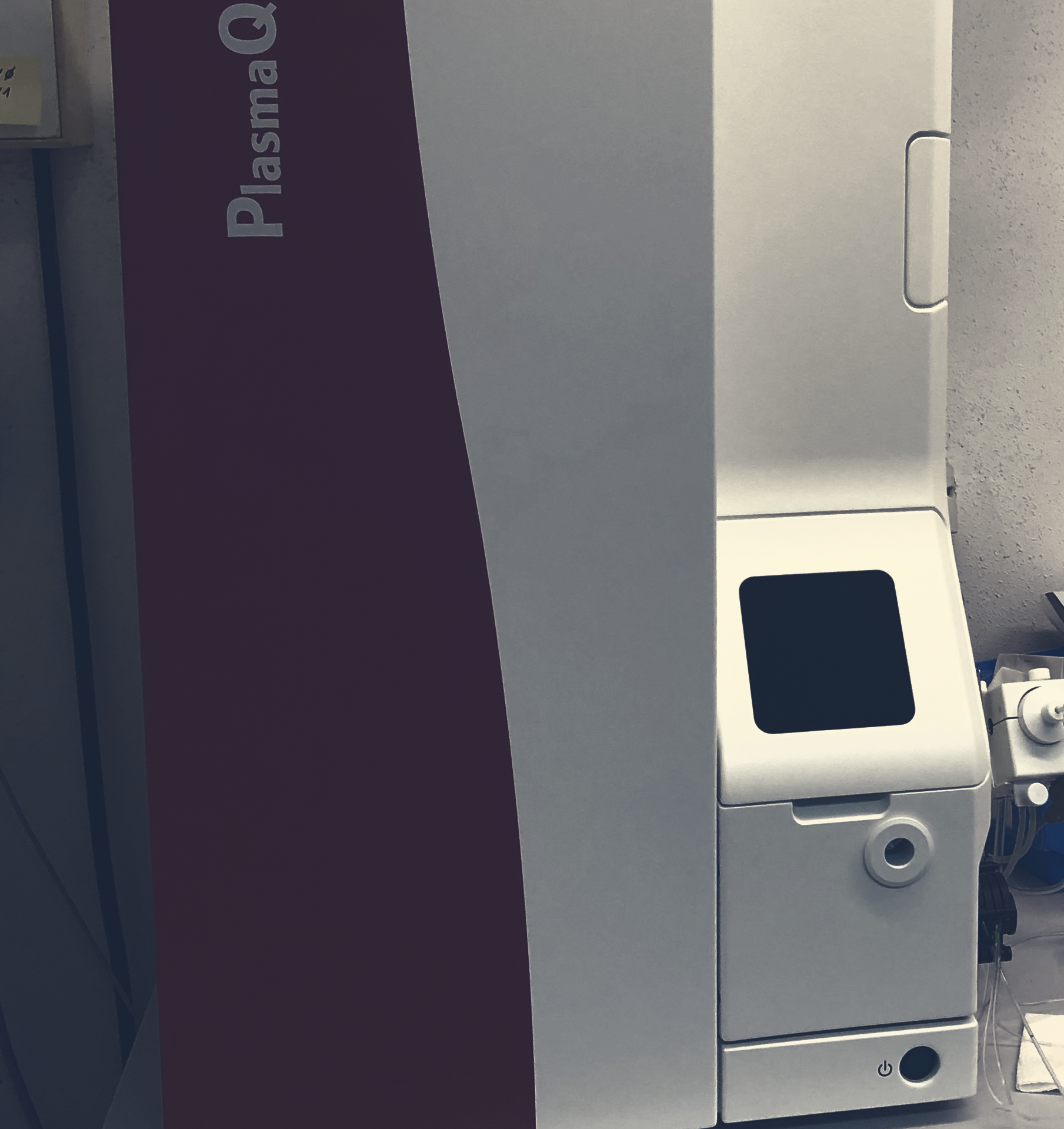
ICP-MS
Massen-Spektrometrie mit induktiv gekoppeltem Plasma
Dieses Verfahren wird eingesetzt bei:
Spurenanalyse
quantitative Messung von bis zu 60 Elementen gleichzeitig
Semiquantitative Messung
Gesamtes Spektrum
Eingesetzt wird ein ICP-MS, PlasmaQuant MS der Firma Analytik Jena
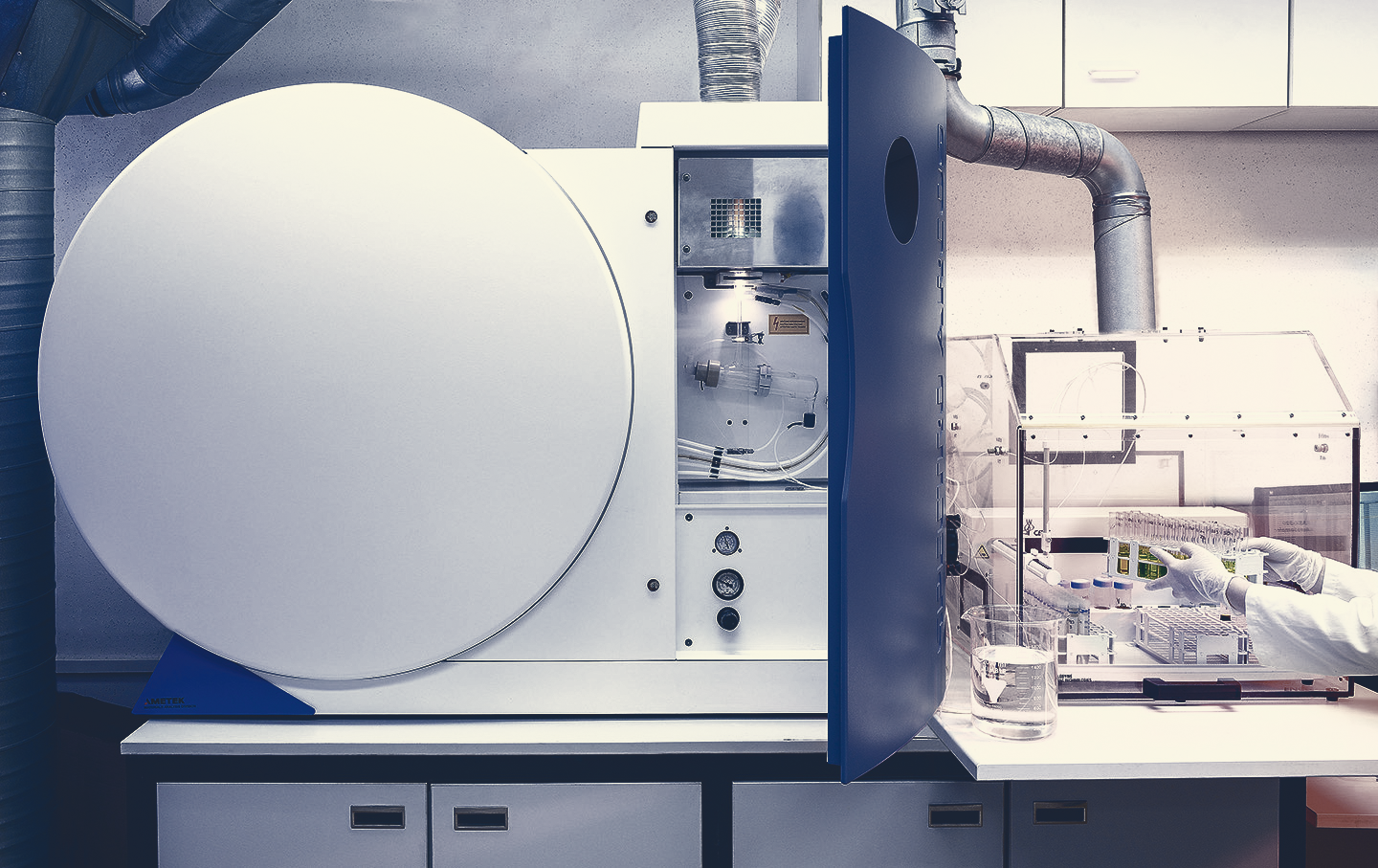
ICP-OES
Emissions-Spektrometrie mit Induktiv gekoppeltem Plasma
Dieses Verfahren wird eingesetzt bei:
Analyse von Metallen
Analyse von Keramiken
Analyse von organischen Proben
Analyse von Wasser
Analyse von Lösungen
Analyse von Mineralstoffen
Eingesetzt wird ein Spectro Arcos der Firma Spectro / Ametek
The Current State of Uranium Supply: A Comprehensive Overview
Uranium is an essential element for global energy production, particularly for nuclear power, which currently supplies about 10% of the world's electricity. With growing interest in clean energy and the reduction of CO₂ emissions, nuclear energy is playing an increasingly important role. As a result, uranium supply is at the center of many geopolitical and economic discussions. This article examines current supplier countries, their production volumes and exports, analyzes geopolitical challenges, highlights price trends, and discusses future developments in the uranium market.
ISE AG
The Most Important Uranium Supplier Countries
Kazakhstan: The world’s largest producer
Kazakhstan is by far the biggest uranium producer in the world and supplies about 40% of global supply. The country has established itself in recent years as the undisputed market leader. The most significant mines in Kazakhstan include Inkai, South Inkai, and Central Mynkuduk, which are operated by large international consortia like Kazatomprom in partnership with Western and Asian companies.
Most of Kazakhstan’s uranium is exported to countries such as China, India, and in Europe. In particular, China has considerably increased its uranium imports from Kazakhstan in recent years to supply its growing number of nuclear power plants.
Russia: Second‑largest producer and major market power
Rosatom, the state nuclear energy company of Russia, plays a central role in the global uranium market. It is one of the world’s largest producers and suppliers of uranium and offers a wide range of nuclear industry services. Rosatom’s role in supplying uranium to international customers can be summarized in several respects:
Mining and production: Rosatom operates some of the largest uranium mines globally, both in Russia and in other countries such as Kazakhstan. Through subsidiaries like JSC Atomredmetzoloto (ARMZ), Rosatom controls a significant portion of global uranium production.
Uranium exports: It exports uranium to various countries that use it for energy generation in their nuclear reactors. These exports are both in the form of natural uranium and enriched uranium. Russia is one of the largest exporters of uranium serving customers in Europe, Asia, and North America.
Enriched uranium deliveries: In addition to exporting natural uranium, Rosatom is also a leading player in uranium enrichment. Enriched uranium is required for use in many types of reactors, and Rosatom is one of the main suppliers worldwide.
Long‑term supply contracts: Rosatom often enters long‑term contracts with other countries and energy companies. These contracts ensure a steady uranium supply and give Rosatom a stable, long‑term presence in the global market.
Diversification of customer base: Rosatom supplies uranium to a wide range of customers around the world, including both developed and developing countries. In particular, its influence in Asia and the Middle East has increased as it has entered new markets.
Technological services and advisory: Beyond simply supplying uranium, Rosatom also provides services related to the operation of nuclear power plants, including technical support, training, and the development of new reactor technologies. This strengthens its relationships with customers and extends its role beyond uranium supply alone.
Political and economic influence: Through its uranium deliveries and involvement in nuclear power plant projects, Rosatom also plays a role in Russia’s foreign policy, creating dependencies and reinforcing economic and political relations with other nations.
Overall, Rosatom is a major player in the global uranium market, using its extensive resources and technologies to play a central role in meeting the world’s civilian uranium needs.
China: An emerging supplier
China is playing an increasingly important role in the global uranium market, particularly through its two leading nuclear companies, China National Nuclear Corporation (CNNC) and China General Nuclear Power Group (CGN). These companies are not only central actors in China’s nuclear industry, but also have a growing presence in the international uranium supply market. Their role in supplying uranium to customers worldwide can be described in several areas:
Mining and production: Both CNNC and CGN are involved in uranium mining and have significantly expanded their activities in recent years. In addition to their own mining projects in China, they hold important stakes in uranium mines abroad, for example in countries such as Kazakhstan, Namibia, and Australia. This allows them not only to meet domestic demand but also to supply uranium internationally.
Foreign investments and partnerships: CNNC and CGN are heavily investing in uranium projects abroad, often in collaboration with local companies and governments. These partnerships allow China to increase its influence on the global uranium market while ensuring the supply security for its growing number of nuclear power plants.
Uranium imports to fulfill domestic demand: China is one of the world’s largest uranium importers. CNNC and CGN purchase large quantities of uranium from international suppliers in order to meet the demand of the rapidly growing fleet of domestic nuclear power plants. These imports make China a significant actor in the global uranium market.
Expansion of uranium processing and enrichment capabilities: CNNC and CGN have invested heavily in developing uranium processing and enrichment facilities, aiming to control the full nuclear fuel cycle domestically. This enables China not only to produce enriched uranium for its own use but potentially for export.
Long‑term supply contracts: Both companies enter into long‑term supply agreements with uranium producers and suppliers around the world. These contracts help secure China’s supply and strengthen its position in the global market by building stable relationships with other producers and suppliers.
Export of nuclear technology and services: In addition to providing uranium, CNNC and CGN are also active in exporting nuclear technologies, building nuclear power plants, and providing technical services worldwide. This includes export projects in countries like Pakistan and the UK, where China is involved in both the construction and operation of nuclear reactors.
Strategic resource and geopolitical influence: The activities of CNNC and CGN in the global uranium market are part of China’s broader strategy to diversify its energy supply and strengthen its geopolitical influence. By controlling uranium resources and supplying uranium to various countries, China deepens economic and political relationships and extends its global influence.
In sum, CNNC and CGN play a decisive role in securing uranium resources for China and at the same time contribute to the stability and development of the global uranium market. Through their strategic investments, partnerships, and technical capabilities, they have strengthened China’s position as an important actor in this market.
Canada: Reliable partner of the West
Canada is the second‑largest uranium producer in the world, with the bulk of its uranium coming from mines in Saskatchewan, particularly the Cigar Lake and McArthur River mines. Most of Canada’s production is exported to the United States, Europe, and Asian countries. Canada is considered one of the most stable and reliable uranium suppliers globally, making it a strategic partner for Western nations that are looking for secure, long‑term sources of uranium.
Australia: The sleeping superpower
Australia has the largest known uranium reserves in the world but is only the third largest producer. This is mainly due to strict environmental regulations and political debates in the country regarding uranium mining and its use. The most important mines are Olympic Dam, Ranger, and Beverley. Australia exports mainly to Asia and Europe and has in recent years expanded its exports to China and India.
Namibia and Niger: Key actors in Africa
Namibia and Niger are the two most important uranium producers in Africa. Namibia, with its Rössing and Husab mines, exports primarily to Europe and Asia. Niger, whose production is dominated by the Arlit and Akokan mines, exports mostly to Europe, with France being a major buyer. Both countries are significant for the global uranium market, but face major challenges including political instability and security issues.
Uzbekistan: An emerging player
Uzbekistan has steadily increased its uranium production in recent years and now supplies significant quantities to countries such as Russia and China. The country benefits from its strategic location and its good relations with large buyers, especially in Asia.
The countries and companies mentioned above supply around two-thirds of the total uranium quantities for the global market. The remainder comes from countries such as Singapore, the USA, Niger, or Ukraine. Since some countries operate mines in other countries, supply volumes cannot be precisely attributed to a single nation. In many analyses, for example, France—through the company Orano—is cited as a global player. However, France does not own any mines itself and sources its uranium from former colonies, such as Niger or Uzbekistan. Niger recently terminated its supply contracts with France and will only supply France in the future if Orano pays world market prices. This could have significant impacts on the European energy market, as France supplies substantial electricity to other European countries via its nuclear power plants—for example, to Germany, which plans to phase out all its nuclear power plants.
Geopolitical Challenges and Risks
Dependence on Few Suppliers
A central geopolitical problem of the global uranium market is the strong dependence on a few suppliers. Countries like Kazakhstan, Canada, and Australia dominate the market, which represents a risk, especially for Western countries. Dependence on uranium from politically unstable regions such as Africa or Central Asia entails additional risks to supply security.
Political Instability and Sanctions
In some uranium-supplying countries, especially in Africa and Central Asia, political instability and security problems prevail. Niger, for example, frequently comes into focus due to political unrest and terrorist activities, potentially leading to supply shortages that could significantly impact the global market. Sanctions against countries such as Russia or Iran could also affect supply, as these countries are important transit nations or producers of enriched uranium.
The Role of China
China is playing an increasingly important role in the global uranium market. The country is investing massively not only in new nuclear power plants but also secures long-term supply contracts with the largest uranium producers. This development could lead to a race for resources, in which Western countries might lose out if they do not diversify their dependence on a few suppliers.
The Global Uranium Market: Current Situation and Changes
Supply and Demand: A Fragile Balance
The global uranium market is in a fragile balance between supply and demand. While demand is rising due to the growing number of nuclear power plants—especially in Asia—the supply is limited and highly concentrated. In recent years, production cuts have repeatedly occurred as major producers like Kazatomprom and Cameco reacted to low uranium prices. These cuts have led to a tightening of supply, gradually pushing prices upward.
Price Developments and Market Trends
The uranium price has experienced volatile developments in recent years. After a dramatic price collapse following the Fukushima disaster in 2011, prices initially stabilized at a low level. However, in recent years a clear upward trend has emerged, driven by production cuts and rising demand from Asia. The spot price for uranium currently stands at approximately $60 to $80 per pound of U3O8, while long-term contracts usually achieve higher prices. According to recent Reuters reports, prices are expected to rise to $90 to $100 in the medium term.
For countries like China and India, which require large quantities of uranium, long-term supply contracts are of central importance. These contracts offer the advantage of stable prices but are generally higher than spot prices. European countries, also heavily dependent on uranium imports, have similar agreements to avoid price fluctuations.
Changes in the Global Market Structure
In recent years, there has been a clear shift in the structure of the global uranium market. While Western countries were the dominant consumers in the past, the focus is increasingly shifting to Asia. Countries such as China and India are massively expanding their nuclear capacities and securing long-term supply contracts, leading to a realignment of the market. At the same time, traditional Western buyers are forced to diversify their supply chains and explore new sources to ensure supply security.
Future Developments and Challenges
Transition to Advanced Nuclear Reactors
An important trend in nuclear energy is the transition to more advanced reactor types, such as fast breeder reactors or thorium reactors. These technologies could change uranium demand by using fuel more efficiently or employing alternative fuels. For the uranium market, this potentially means a reduction in demand for natural uranium, posing new challenges for producers.
Environmental and Safety Aspects
Uranium mining is increasingly under pressure from environmental and safety regulations. Many countries are introducing stricter regulations that complicate mining and raise costs. This could lead to further supply shortages in the future, as new mining projects become harder to approve and existing mines face rising operating costs.
The Role of Renewable Energies
The growing expansion of renewable energies could reduce the need for nuclear energy and thus uranium in the long term. Although nuclear power is seen as a necessary component of the energy transition in many countries, competition from renewables and rising energy efficiency could sustainably influence the global uranium market. For producers, this means they may need to invest in new markets or adapt their business models to remain competitive.
Impacts on Producers and Consumers
Challenges for Producers
The current market structure poses challenges for uranium producers. Dependence on a few large buyers and concentration among a few major producers means that small and medium-sized companies struggle to remain competitive. In addition, producers must cope with rising costs and stricter environmental regulations. In the long term, market conditions may tighten further if new technologies reduce uranium demand or political decisions further restrict uranium mining.
Risks and Opportunities for Consumers
Consumers of uranium, especially nuclear power plant operators, face the challenge of securing supply while controlling costs. Long-term supply contracts provide stability but could become a competitive disadvantage if uranium prices fall. Diversifying supply sources and investing in new technologies that reduce fuel demand are crucial to remaining competitive in a changing market.
Conclusion
Uranium supply faces numerous challenges and changes with both geopolitical and economic implications. Dependence on a few large producers and demand concentration in Asia shape the global market. At the same time, geopolitical risks, environmental regulations, and technological developments create an increasingly complex market situation. Both producers and consumers must adapt to these changes to remain successful in the long term. ISE AG – August 2024