Tin
Sn • Atomic Number 50
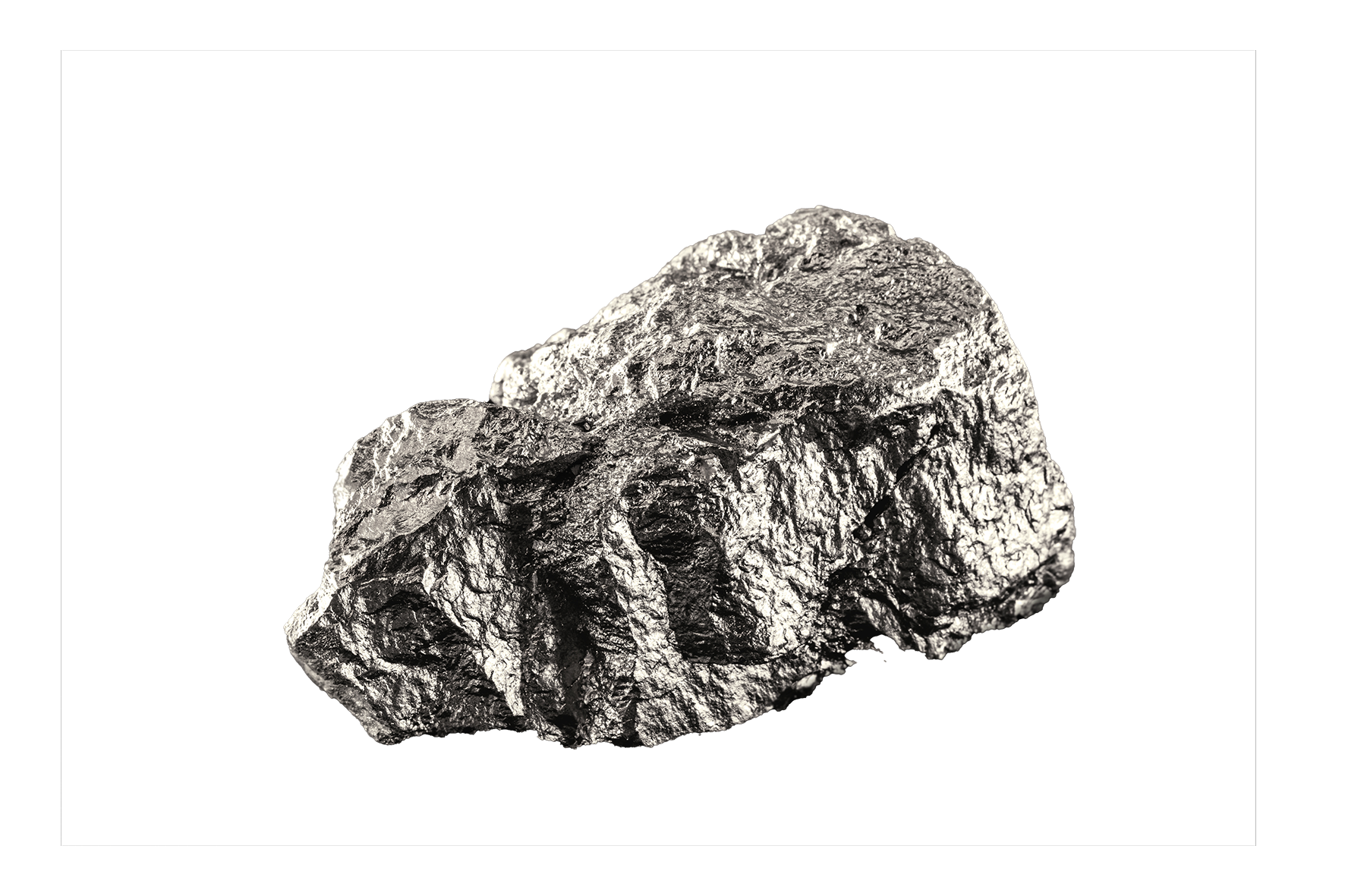
Tin
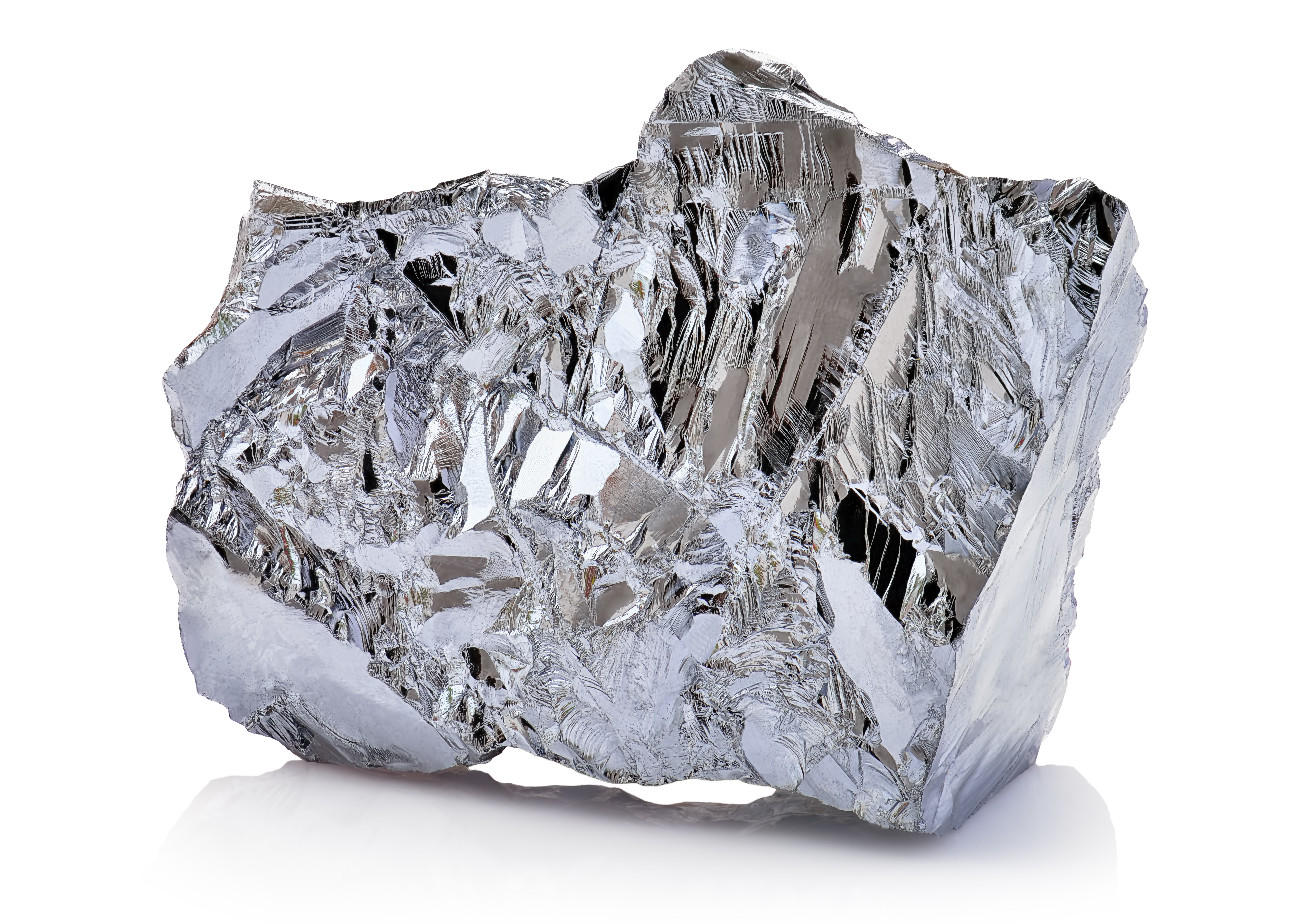
Tin is a silvery-white, shiny, and very soft heavy metal. It can be scratched with a fingernail, conducts electricity, and is highly alloyable. Tin has a very low melting point for a metal, which makes it ideal for use as a solder. It is also corrosion-resistant and non-toxic, enabling its use in food packaging.
The main application of tin is in the electronics industry as a soldering material. Another key sector is packaging, where tin is used as tinplate in beverage and food cans.
China is the leading producer of tin, followed by Indonesia, Myanmar, and Peru.
The two largest tin mines are the Man Maw Mine in Myanmar and San Rafael in Peru.
The Yunnan Tin Group, based in Yunnan, China, is the world’s largest tin producer, accounting for around 20% of global production.
-
History
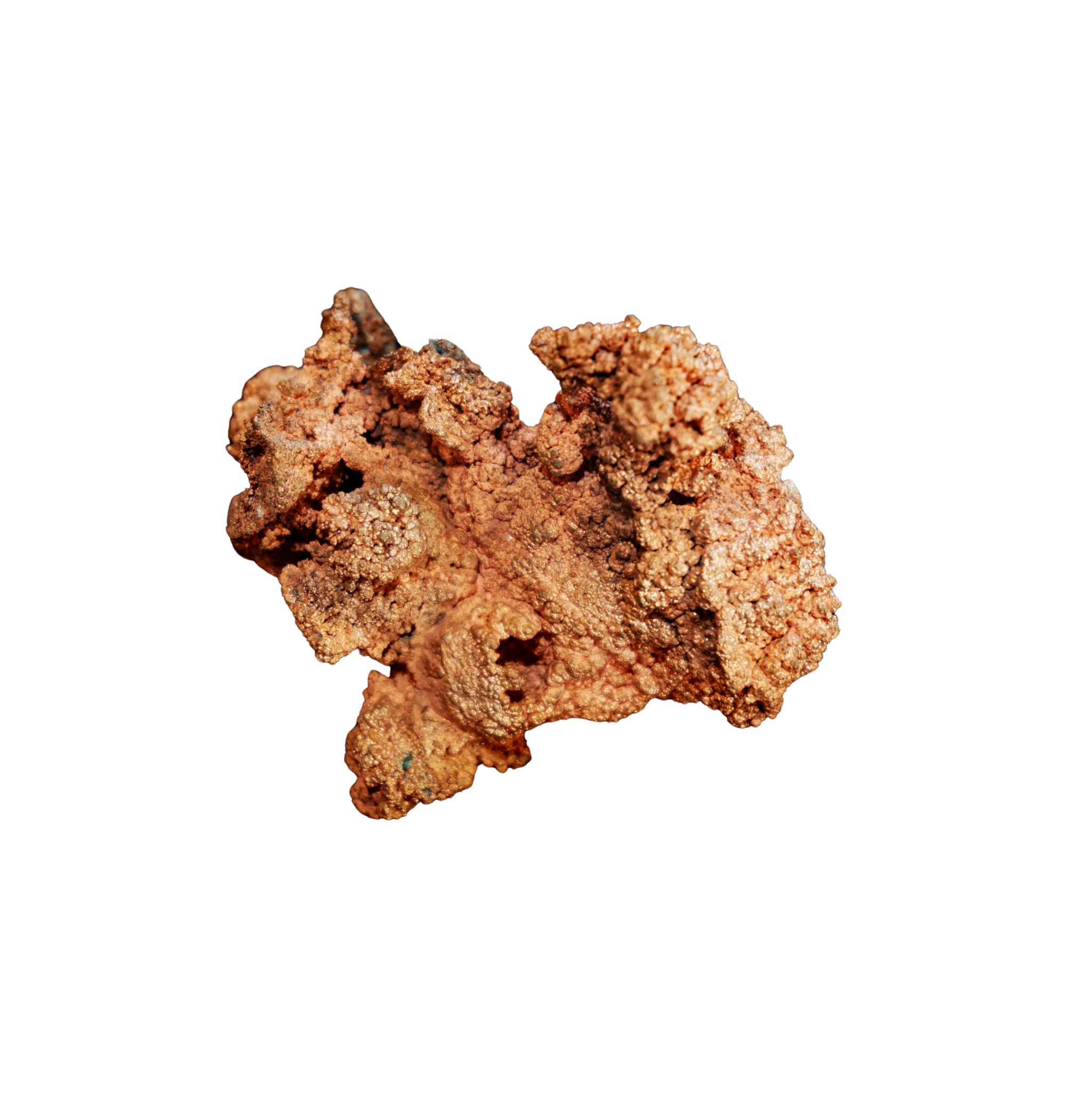
Tin, as an alloy with copper, defined an entire era: the Bronze Age (ca. 3000–1200 BCE). Bronze was harder than pure copper and revolutionized tools, weapons, and art. In India, bronze production was already known around 3000 BCE. From the 2nd millennium BCE, tin was mined on a larger scale in Central Asia, along the route that would later become part of the Silk Road.
Tin was likely known in China before 1800 BCE. In the Euphrates Valley, bronze artifacts and their production were culturally significant from around 2000 BCE.
Tin was traded over long distances — evidenced by the so-called "Tin Route," a trans-European trade network. Major ancient mining sites included Cornwall in England, Brittany in France, and Anatolia in what is now Turkey.
In Ancient Rome, tin from Cornwall was used to make tableware and water pipes. During the Middle Ages, the Guild of Pewterers emerged. Tin was used in organ pipes, candlesticks, and drinking vessels.
In the 19th century, the invention of tinplate and its use in food preservation revolutionized army logistics. As a soldering metal, tin became vital in electronics, making it a strategic material in wartime — many countries began building national stockpiles.
-
Application
The largest application area for tin is in electronics, which accounts for about half of global tin production. Tin is used as a soldering material for electronic components. Tin coatings on printed circuit boards protect against corrosion. In the semiconductor industry, tin compounds such as indium tin oxide (ITO) are used in touchscreen technologies.
Another major sector is the packaging industry, where tin is used in the production of tinplate. Beverage and food cans are coated with a thin layer of tin to prevent rust and corrosion.
Additionally, tin is used in a variety of alloys, enhancing material properties for specialized applications.
-
Occurrence, Mining, Extraction
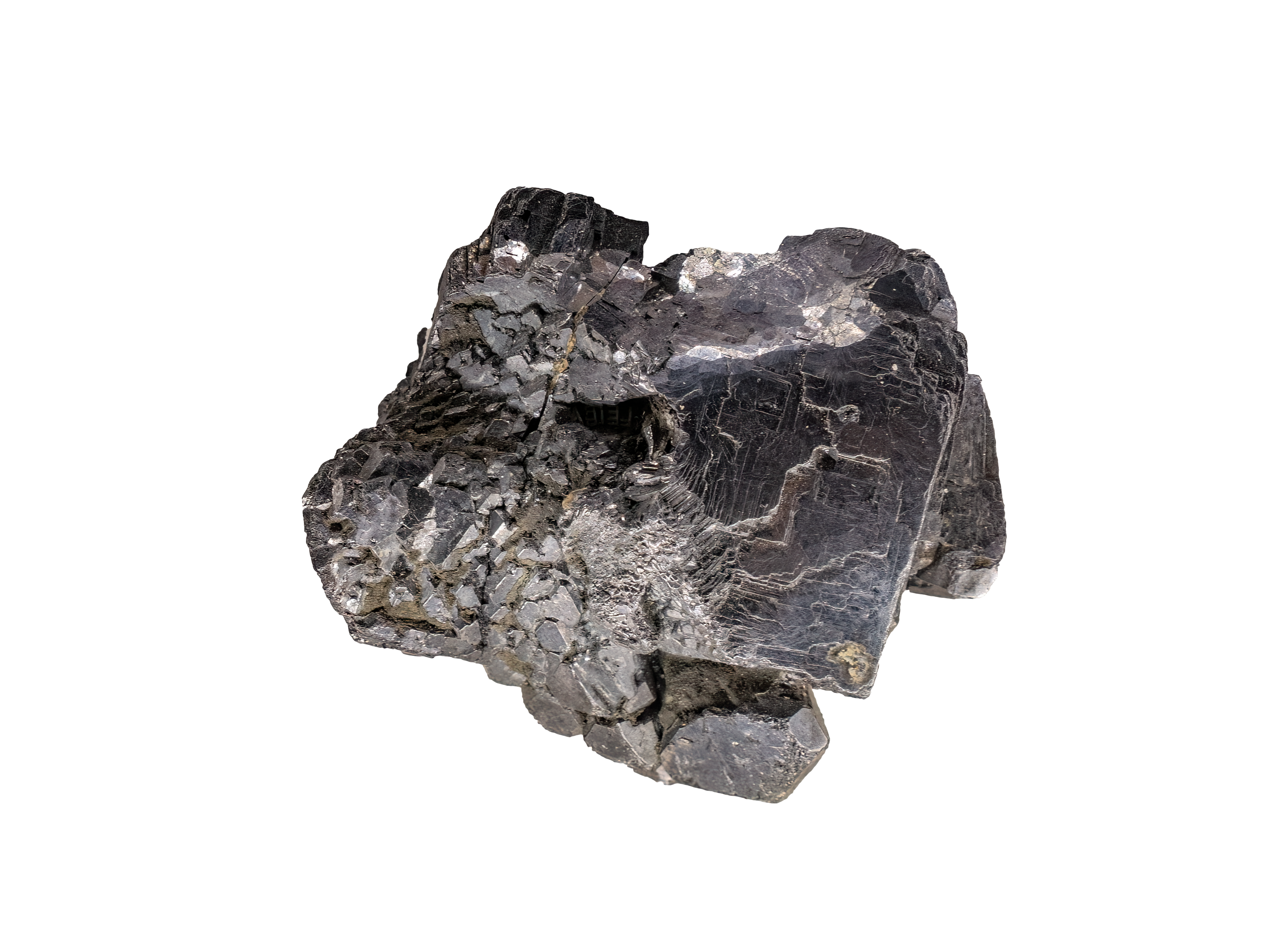
The most important tin ore from which the majority of the world’s tin is extracted is cassiterite, which can contain up to 80% tin. It primarily occurs in granitic pegmatites and alluvial placer deposits (river sediments).
China is the leading tin-producing country, followed by Indonesia, Myanmar (Burma), and Peru. Significant quantities also come from the conflict-affected Democratic Republic of the Congo (DRC). In both the U.S. and the EU, cassiterite is classified as one of the four conflict minerals. Its extraction from illegal mines in the DRC has been linked to the financing of corrupt army units, militias, rebel groups, and foreign actors, contributing to violence, human rights violations, and environmental destruction.
The world’s largest tin mine, Man Maw in Myanmar, is also located in a conflict region and is a major source of tin for Chinese smelters.
Peru is home to the second-largest tin mine in the world, San Rafael, operated by Minsur.
The Yunnan Tin Group, based in Yunnan, China, is the world’s leading tin producer, accounting for around 20% of global production. The company operates its own mines and several smelters. Timah, a state-owned Indonesian company, is the second-largest producer, followed by Minsur in Peru.
Global tin resources — especially in West Africa, Southeast Asia, Australia, Bolivia, Brazil, Indonesia, and Russia — are considerable. If developed, these reserves could support current annual production rates well into the future.
Global annual tin production is estimated at around 300,000 tonnes.
Approximately 30% of the world’s tin supply comes from recycling.
-
Substitution
Aluminum, glass, paper, plastic, or tin-free steel are used as substitutes for tin in cans and containers. Other materials that can replace tin include epoxy resins for solder, aluminum alloys, alternative copper alloys and plastics for bronze, plastics for tin-based bearing metals, as well as lead and sodium compounds for certain tin chemicals.
-
Detection
A qualitative test for tin salts is the luminescence test: The solution is treated with approximately 20% hydrochloric acid and zinc powder, releasing nascent hydrogen. This atomic hydrogen reduces part of the tin to stannane SnH4. A test tube filled with cold water and potassium permanganate solution (used here as a contrast agent) is immersed in this solution. The test tube is then held in the non-luminous Bunsen burner flame in the dark. In the presence of tin, a characteristic blue fluorescence appears immediately, caused by SnH4.
In trace analysis, graphite furnace atomic absorption spectroscopy (GF-AAS) and hydride generation techniques are employed. GF-AAS achieves detection limits as low as 0.2 µg/L. In hydride generation, tin compounds in the sample solution are converted to gaseous stannane by sodium borohydride and introduced into a quartz cell. At about 1000 °C, stannane decomposes into elemental tin atoms, which specifically absorb the Sn emission lines of a tin hollow cathode lamp. Detection limits of approximately 0.5 µg/L have been reported.
Other qualitative reagents for tin detection include diacetyldioxime, cacotheline, morin, and 4-methylbenzene-1,2-dithiol. Tin can also be detected microanalytically through the formation of gold purple. -
Biological Effects
Metallic tin is non-toxic even in larger amounts. The toxicity of simple tin compounds and salts is low. However, some organic tin compounds are highly toxic. Trialkyl tin compounds (especially TBT, or tributyltin) and triphenyl tin were used for several decades in antifouling paints on ships to kill microorganisms and barnacles that attach to hulls. This led to high concentrations of TBT in seawater around major port cities, which continue to negatively affect populations of various marine organisms. The toxic effect is based on the denaturation of certain proteins through interaction with sulfur from amino acids such as cysteine.
-
Compounds
Tin compounds occur in the oxidation states +II and +IV. Tin(IV) compounds are more stable because tin is an element of group 14 (the carbon group), and the inert pair effect is not as pronounced as in the heavier elements of this group, such as lead. Therefore, tin(II) compounds can be easily converted into tin(IV) compounds. Many tin compounds are inorganic, but a number of organotin compounds (organostannanes) are also known.
Oxides and Hydroxides
- Tin(II)-oxide SnO
- Tin(II,IV)-oxide Sn2O3
- Tin(IV)-oxide SnO2
- Tin(II)-hydroxide Sn(OH)2
- Tin(IV)-hydroxide Sn(OH)4, CAS-Number: 12054-72-7
Halides
- Tin(II)-fluoride SnF2
- Tin(II)-chloride SnCl2
- Tin(IV)-chloride SnCl4
- Tin(IV)-bromide SnBr4
- Tin(II)-iodide SnI2
- Tin(IV)-iodide SnI4
Salts
- Tin(II)-sulfate SnSO4
- Tin(IV)-sulfate Sn(SO4)2
- Tin(II)-nitrate Sn(NO3)2
- Tin(IV)-nitrate Sn(NO3)4
- Tin(II)-oxalate Sn(COO)2
- Tin(II)-pyrophosphate Sn2P2O7
- Zinc hydroxystannate ZnSnO3 · 3 H2O, CAS-Number: 12027-96-2
Chalcogenides
- Tin(II)-sulfide SnS
- Tin(IV)-sulfide SnS2
- Tin(II)-selenide SnSe
Organic tin compounds
- Dibutyltin dilaurate (DBTDL) C32H64O4Sn
- Dibutyltin oxide (DBTO) (H9C4)2SnO
- Dibutyltin diacetate C12H24O4Sn, CAS-Number: 1067-33-0
- Diphenyltin dichloride C12H10Cl2Sn
- Tributyl tin hydride C12H28Sn
- Tributyl tin chloride (TBTCL) (C4H9)3SnCl
- Tributyl tin fluoride (TBTF) C12H27FSn, CAS-Number: 1983-10-4
- Tributyl tin sulfide (TBTS) C24H54SSn2, CAS-Nzmber: 4808-30-4
- Tributyl tin oxide (TBTO) C24H54OSn2
- Triphenyltin hydride C18H16Sn
- Triphenyltin hydroxide C18H16OSn
- Triphenyltin chloride C18H15ClSn
- Tetramethyltin C4H12Sn
- Tetraethyltin C8H20Sn
- Tetrabutyltin C16H36Sn
- Tetraphenyltin (H5C6)4Sn
Other compounds
- Stannane SnH4
- Sodium stannate Na2SnO3
- Potassium stannate K2SnO3, CAS-Number: 12142-33-5
- Tin difluoroborate Sn(BF4)2, CAS-Number: 13814-97-6
- Tin(II)-2-ethylhexanoate Sn(OOCCH(C2H5)C4H9)2
- Tin(II) oleate Sn(C17H34COO), CAS-Number: 1912-84-1
- Tin telluride SnTe
- Indium tin oxide, a mixed oxide typically consisting of 90% indium(III) oxide (In2O3) and 10% tin(IV) oxide (SnO2)

- Hits: 811