Allgemein

Tin

Sn • Atomic Number 50

Tin

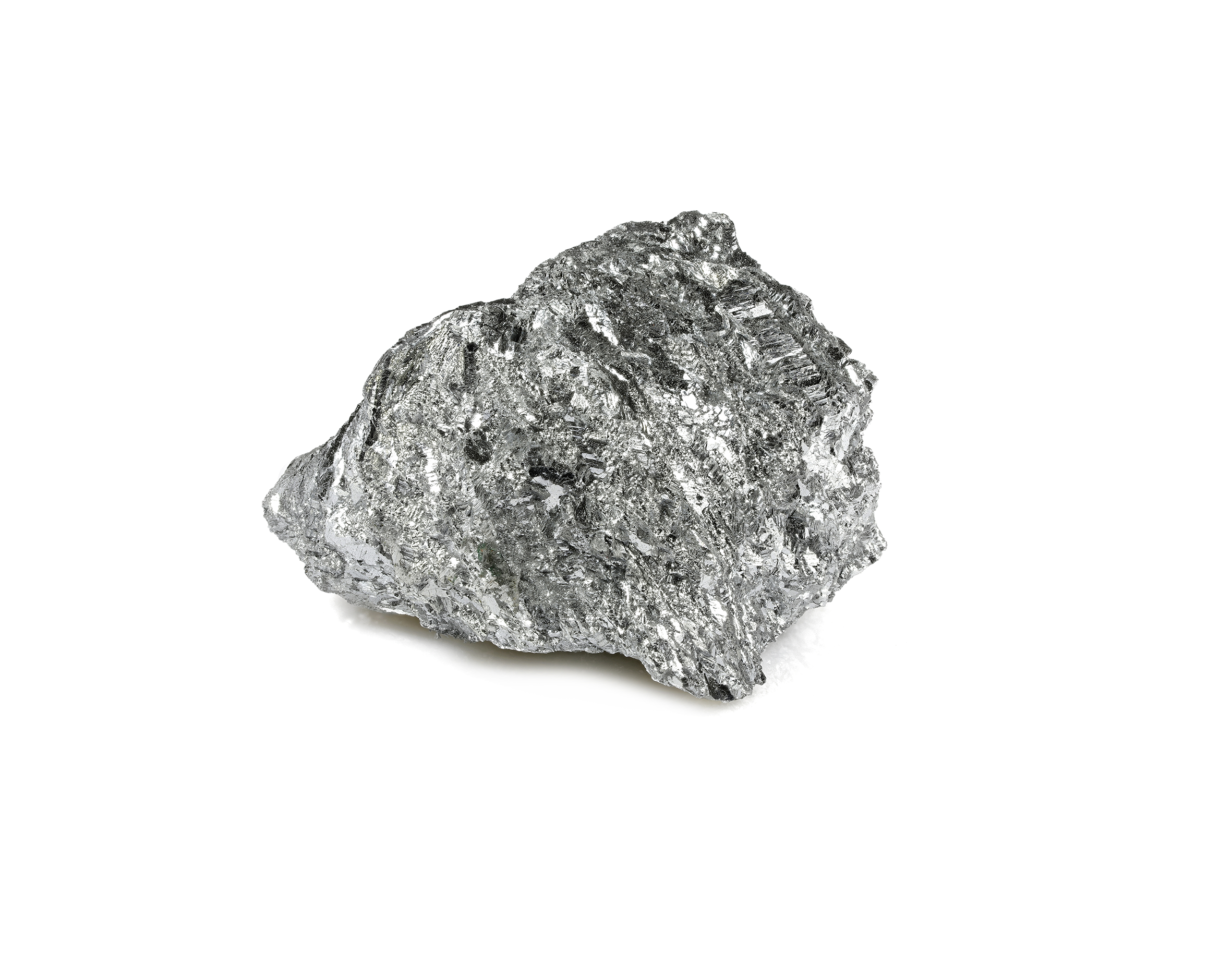
Tin is a silvery-white, shiny, and very soft heavy metal. It can be scratched with a fingernail, conducts electricity, and is highly alloyable. Tin has a very low melting point for a metal, which makes it ideal for use as a solder. It is also corrosion-resistant and non-toxic, enabling its use in food packaging.

The main application of tin is in the electronics industry as a soldering material. Another key sector is packaging, where tin is used as tinplate in beverage and food cans.

China is the leading producer of tin, followed by Indonesia, Myanmar, and Peru.

The two largest tin mines are the Man Maw Mine in Myanmar and San Rafael in Peru.

The Yunnan Tin Group, based in Yunnan, China, is the world’s largest tin producer, accounting for around 20% of global production.

  • History

    Tin, as an alloy with copper, defined an entire era: the Bronze Age (ca. 3000–1200 BCE). Bronze was harder than pure copper and revolutionized tools, weapons, and art. In India, bronze production was already known around 3000 BCE. From the 2nd millennium BCE, tin was mined on a larger scale in Central Asia, along the route that would later become part of the Silk Road.

    Tin was likely known in China before 1800 BCE. In the Euphrates Valley, bronze artifacts and their production were culturally significant from around 2000 BCE.

    Tin was traded over long distances — evidenced by the so-called "Tin Route," a trans-European trade network. Major ancient mining sites included Cornwall in England, Brittany in France, and Anatolia in what is now Turkey.

    In Ancient Rome, tin from Cornwall was used to make tableware and water pipes. During the Middle Ages, the Guild of Pewterers emerged. Tin was used in organ pipes, candlesticks, and drinking vessels.

    In the 19th century, the invention of tinplate and its use in food preservation revolutionized army logistics. As a soldering metal, tin became vital in electronics, making it a strategic material in wartime — many countries began building national stockpiles.

  • Application

    The largest application area for tin is in electronics, which accounts for about half of global tin production. Tin is used as a soldering material for electronic components. Tin coatings on printed circuit boards protect against corrosion. In the semiconductor industry, tin compounds such as indium tin oxide (ITO) are used in touchscreen technologies.

    Another major sector is the packaging industry, where tin is used in the production of tinplate. Beverage and food cans are coated with a thin layer of tin to prevent rust and corrosion.

    Additionally, tin is used in a variety of alloys, enhancing material properties for specialized applications.

  • Occurrence, Mining, Extraction

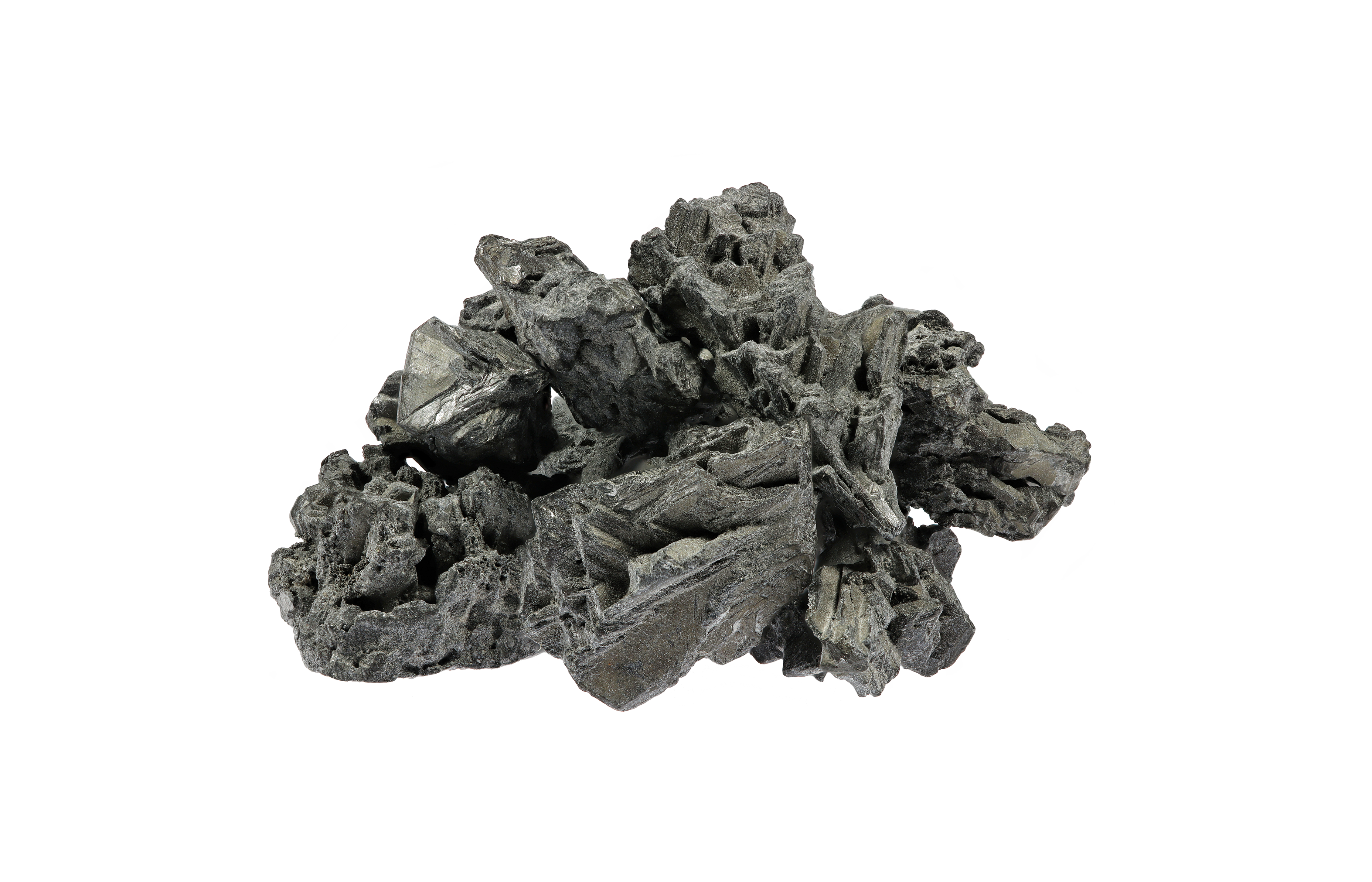
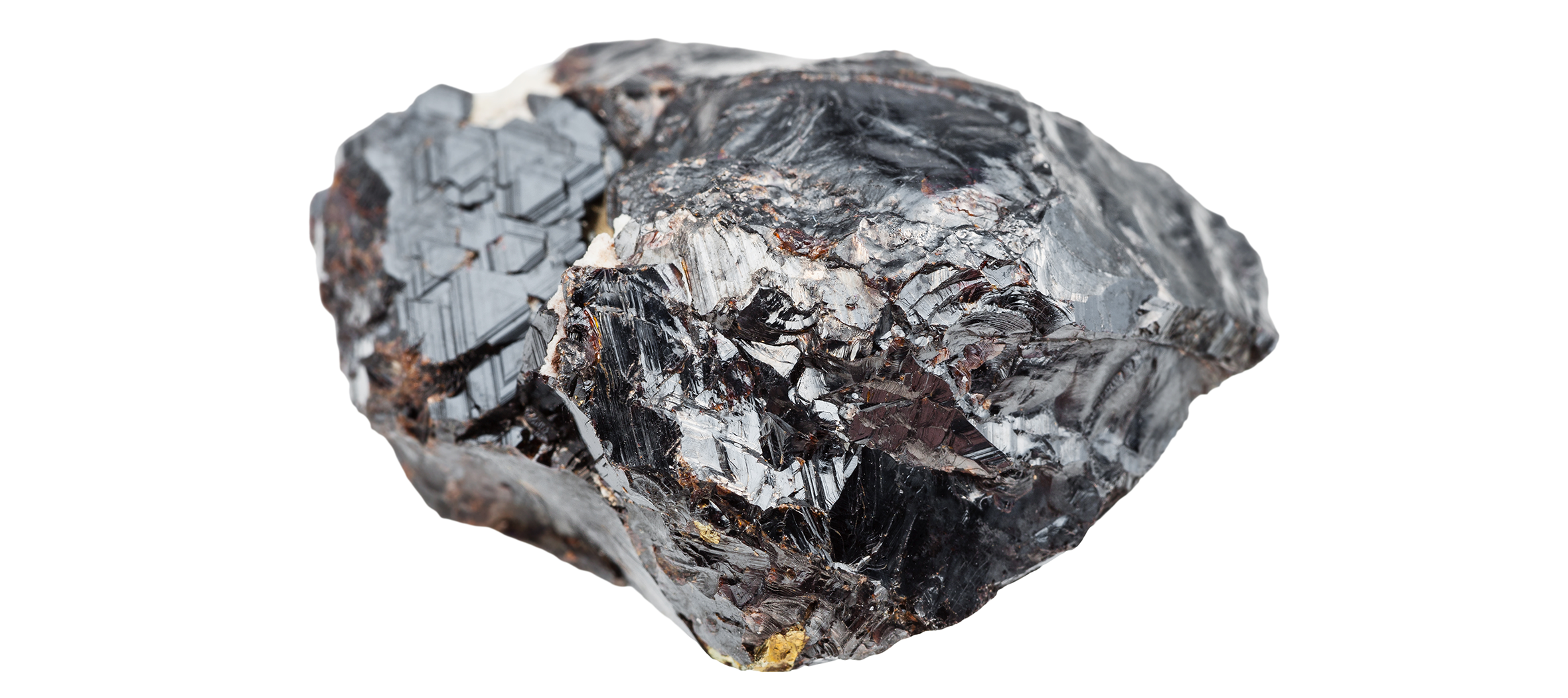
    The most important tin ore from which the majority of the world’s tin is extracted is cassiterite, which can contain up to 80% tin. It primarily occurs in granitic pegmatites and alluvial placer deposits (river sediments).

    China is the leading tin-producing country, followed by Indonesia, Myanmar (Burma), and Peru. Significant quantities also come from the conflict-affected Democratic Republic of the Congo (DRC). In both the U.S. and the EU, cassiterite is classified as one of the four conflict minerals. Its extraction from illegal mines in the DRC has been linked to the financing of corrupt army units, militias, rebel groups, and foreign actors, contributing to violence, human rights violations, and environmental destruction.

    The world’s largest tin mine, Man Maw in Myanmar, is also located in a conflict region and is a major source of tin for Chinese smelters.

    Peru is home to the second-largest tin mine in the world, San Rafael, operated by Minsur.

    The Yunnan Tin Group, based in Yunnan, China, is the world’s leading tin producer, accounting for around 20% of global production. The company operates its own mines and several smelters. Timah, a state-owned Indonesian company, is the second-largest producer, followed by Minsur in Peru.

    Global tin resources — especially in West Africa, Southeast Asia, Australia, Bolivia, Brazil, Indonesia, and Russia — are considerable. If developed, these reserves could support current annual production rates well into the future.

    Global annual tin production is estimated at around 300,000 tonnes.

    Approximately 30% of the world’s tin supply comes from recycling.

  • Substitution

    Aluminum, glass, paper, plastic, or tin-free steel are used as substitutes for tin in cans and containers. Other materials that can replace tin include epoxy resins for solder, aluminum alloys, alternative copper alloys and plastics for bronze, plastics for tin-based bearing metals, as well as lead and sodium compounds for certain tin chemicals.

  • Detection

    A qualitative test for tin salts is the luminescence test: The solution is treated with approximately 20% hydrochloric acid and zinc powder, releasing nascent hydrogen. This atomic hydrogen reduces part of the tin to stannane SnH4. A test tube filled with cold water and potassium permanganate solution (used here as a contrast agent) is immersed in this solution. The test tube is then held in the non-luminous Bunsen burner flame in the dark. In the presence of tin, a characteristic blue fluorescence appears immediately, caused by SnH4.

    In trace analysis, graphite furnace atomic absorption spectroscopy (GF-AAS) and hydride generation techniques are employed. GF-AAS achieves detection limits as low as 0.2 µg/L. In hydride generation, tin compounds in the sample solution are converted to gaseous stannane by sodium borohydride and introduced into a quartz cell. At about 1000 °C, stannane decomposes into elemental tin atoms, which specifically absorb the Sn emission lines of a tin hollow cathode lamp. Detection limits of approximately 0.5 µg/L have been reported.

    Other qualitative reagents for tin detection include diacetyldioxime, cacotheline, morin, and 4-methylbenzene-1,2-dithiol. Tin can also be detected microanalytically through the formation of gold purple.
  • Biological Effects

    Metallic tin is non-toxic even in larger amounts. The toxicity of simple tin compounds and salts is low. However, some organic tin compounds are highly toxic. Trialkyl tin compounds (especially TBT, or tributyltin) and triphenyl tin were used for several decades in antifouling paints on ships to kill microorganisms and barnacles that attach to hulls. This led to high concentrations of TBT in seawater around major port cities, which continue to negatively affect populations of various marine organisms. The toxic effect is based on the denaturation of certain proteins through interaction with sulfur from amino acids such as cysteine.

  • Compounds

    Tin compounds occur in the oxidation states +II and +IV. Tin(IV) compounds are more stable because tin is an element of group 14 (the carbon group), and the inert pair effect is not as pronounced as in the heavier elements of this group, such as lead. Therefore, tin(II) compounds can be easily converted into tin(IV) compounds. Many tin compounds are inorganic, but a number of organotin compounds (organostannanes) are also known.

    Oxides and Hydroxides

    • Tin(II)-oxide SnO
    • Tin(II,IV)-oxide Sn2O3
    • Tin(IV)-oxide SnO2
    • Tin(II)-hydroxide Sn(OH)2
    • Tin(IV)-hydroxide Sn(OH)4, CAS-Number: 12054-72-7

    Halides

    • Tin(II)-fluoride SnF2
    • Tin(II)-chloride SnCl2
    • Tin(IV)-chloride SnCl4
    • Tin(IV)-bromide SnBr4
    • Tin(II)-iodide SnI2
    • Tin(IV)-iodide SnI4

    Salts

    • Tin(II)-sulfate SnSO4
    • Tin(IV)-sulfate Sn(SO4)2
    • Tin(II)-nitrate Sn(NO3)2
    • Tin(IV)-nitrate Sn(NO3)4
    • Tin(II)-oxalate Sn(COO)2
    • Tin(II)-pyrophosphate Sn2P2O7
    • Zinc hydroxystannate ZnSnO3 · 3 H2O, CAS-Number: 12027-96-2

    Chalcogenides

    • Tin(II)-sulfide SnS
    • Tin(IV)-sulfide SnS2
    • Tin(II)-selenide SnSe

    Organic tin compounds

    • Dibutyltin dilaurate (DBTDL) C32H64O4Sn
    • Dibutyltin oxide (DBTO) (H9C4)2SnO
    • Dibutyltin diacetate C12H24O4Sn, CAS-Number: 1067-33-0
    • Diphenyltin dichloride C12H10Cl2Sn
    • Tributyl tin hydride C12H28Sn
    • Tributyl tin chloride (TBTCL) (C4H9)3SnCl
    • Tributyl tin fluoride (TBTF) C12H27FSn, CAS-Number: 1983-10-4
    • Tributyl tin sulfide (TBTS) C24H54SSn2, CAS-Nzmber: 4808-30-4
    • Tributyl tin oxide (TBTO) C24H54OSn2
    • Triphenyltin hydride C18H16Sn
    • Triphenyltin hydroxide C18H16OSn
    • Triphenyltin chloride C18H15ClSn
    • Tetramethyltin C4H12Sn
    • Tetraethyltin C8H20Sn
    • Tetrabutyltin C16H36Sn
    • Tetraphenyltin (H5C6)4Sn

    Other compounds

    • Stannane SnH4
    • Sodium stannate Na2SnO3
    • Potassium stannate K2SnO3, CAS-Number: 12142-33-5
    • Tin difluoroborate Sn(BF4)2, CAS-Number: 13814-97-6
    • Tin(II)-2-ethylhexanoate Sn(OOCCH(C2H5)C4H9)2
    • Tin(II) oleate Sn(C17H34COO), CAS-Number: 1912-84-1
    • Tin telluride SnTe
    • Indium tin oxide, a mixed oxide typically consisting of 90% indium(III) oxide (In2O3) and 10% tin(IV) oxide (SnO2)

Read more …Tin

  • Hits: 644

Nickel

Ni • Atomic Number 28

Nickel

Nickel is a silvery-white metal. It is hard, malleable, and ductile. At room temperature, nickel is highly resistant to air and water. Diluted acids attack nickel only very slowly.

Due to its corrosion resistance, nickel is important as an alloying element in steel. Two-thirds of the global nickel demand comes from the steel industry. Another significant use of nickel is in battery cathodes.

The most important producer country is Indonesia, which supplies 80 percent of the world’s demand.

Indonesia is also home to the largest nickel mine in the world: the Weda Bay mine, operated by a joint venture between the Chinese steel giant Tsingshan, the French company Eramet, and the Indonesian government.

Tsingshan, one of the world’s largest steel companies, is the largest nickel producer.

  • History

    Nickel was already present in ancient times, though not recognized as such. Syrian bronze from around 3300 BC contained about two percent nickel, likely originating from copper or tin ores. Chinese writings from between 1700 and 1400 BC mention “white copper” (nickel silver).

    Nickel was first isolated in pure form in 1751 by Axel Frederic Cronstedt and named after the mineral copper-nickel (Swedish: kopparnickel, today called nickeline), in which he discovered the previously unknown metal. The name copper-nickel originated from medieval miners in the Ore Mountains who mistook the ore for copper. When no copper could be extracted, they believed the ore was cursed by mountain spirits called “Nickeln.” A similar origin applies to the name cobalt (“kobold”), which is often found together with nickel.

    From the mid-19th century onwards, nickel was used in coinage. The first pure nickel coin was minted in 1881.

    In 1889, James Riley developed nickel-containing steels.

  • Application

    About two-thirds of produced nickel is used in the steel industry. Nickel improves the corrosion resistance, toughness, and heat resistance of steel.

    However, the growing demand for nickel is driven by the battery industry. Nickel is a key component in the cathodes of lithium-ion batteries used in electric vehicles. Forecasts predict that by 2030, over 30 percent of global nickel demand will come from the battery sector.

    Other applications for nickel include superalloys for the aerospace industry and standard alloys for equipment in the chemical industry.

  • Occurrence, Mining, Extraction

    Nickel can be economically extracted from sulfide or laterite ores, with more than three-quarters of global nickel currently coming from lateritic sources. These ores are mainly found in tropical and subtropical regions. While sulfide ores generally have a higher nickel content, laterite ores are cheaper to mine. However, they require significantly more land use, and mining in tropical areas poses serious risks to biodiversity.

    The most important lateritic nickel ores are garnierite and limonite, whereas
    pentlandite is the main mineral in sulfide deposits.

    Nickel deposits are often associated with cobalt, making both metals important by-products of one another.

    Indonesia is by far the world’s leading nickel producer, extracting laterite ores. Its nickel industry is closely tied to Chinese companies, which operate numerous smelters and refineries in the country — including major sites like the Indonesia Morowali Industrial Park (IMIP) and the Indonesia Weda Bay Industrial Park. Indonesia also holds the largest nickel reserves globally.

    The Philippines ranks as the second-largest producer, also focused on lateritic ores.

    The Weda Bay mine, located on the Indonesian island of Halmahera, is the largest nickel mine in the world. It is operated by a joint venture between Tsingshan (China), Eramet (France), and PT Antam Tbk (a state-owned Indonesian company).

    Tsingshan Holding Group, a Chinese steel giant, is the world's largest nickel producer. Norilsk Nickel (Russia) is the top producer of high-purity nickel, while Vale (Brazil) ranks third among the global producers.

    Global annual nickel production stands at around 3.5 million tonnes, and demand is rising — especially driven by the battery industry.

  • Substitution

    Nickel-lean, duplex, or ultra-high-chromium stainless steels are used in construction as substitutes for austenitic steels (which contain over 8% nickel).
    In the power generation and petrochemical industries, nickel-free specialty steels are sometimes used in place of conventional stainless steel.
    In highly corrosive chemical environments, titanium alloys can replace nickel metal or nickel-based alloys.

Read more …Nickel

  • Hits: 512

Lead

Pb • Atomic Number 82

Lead

Lead is a bluish-white heavy metal that tarnishes to gray when exposed to air. It is soft, easily deformable, and has a relatively low melting point. It is one of the densest stable elements. The chemical symbol Pb comes from the Latin word "Plumbum."

The main application of lead is in automotive batteries (lead-acid batteries). Lead also plays a role in radiation shielding and special alloys.

Due to its toxicity, lead is increasingly being replaced by other materials.

Nearly half of the global lead supply is mined in China. Other important producing countries include Australia, the USA, and Peru.

The largest lead mine in the world is the Cannington Mine in Australia, owned by the mining company South32.

The largest lead producer in the world is the Chinese company China Minmetals Corporation (Minmetals).

  • History

    Lead has been known since prehistoric times because it can be easily extracted from ores. The earliest findings come from present-day Turkey, where lead was used for jewelry and weights.

    The Romans were the first to use lead on a large scale. They built water pipes with the metal and used it in tableware and jewelry. They also added lead sugar (lead(II) acetate) to sweeten wine. Due to its widespread use, it likely caused extensive health damage among the population.

    In the Middle Ages, lead played an important role in alchemy. Alchemists tried to turn lead into gold.

    With industrialization, the mass use of lead began. The raw material was used in printing, ammunition, the glass industry, batteries, and as paint (white lead).

    In the 20th century, lead was widely used as a fuel additive in gasoline. Tetraethyl lead acted as an anti-knock agent and prevented so-called engine knocking, an uncontrolled combustion of fuel in gasoline engines that damages engine parts and increases fuel consumption. The toxicity of leaded gasoline was known when its anti-knock effect was discovered. Nevertheless, it took until the late 1970s before some countries began banning leaded gasoline.

    Studies of ice cores from the Arctic show that lead pollution peaked in the early 1970s. It was 40 times higher than during the Roman Empire — mainly due to the widespread use of leaded gasoline in motor vehicles. Research indicates that lead exposure reduces intelligence.

  • Application

    80 percent of lead production is used for manufacturing lead-acid batteries for vehicles.

    Due to its high density, lead is well suited for shielding against X-rays and gamma rays.

    In the chemical industry, lead sheets are used for corrosion-resistant containers.

    Lead-tin alloys are used as solder in electronics. Lead ammunition is increasingly being replaced by other non-toxic alternatives.

    Special applications of lead include lead crystal glass, to improve optical quality, as well as counterweights in car wheels.

  • Occurrence, Mining, Extraction

    The lion’s share of primary lead production comes from galena ores, which can contain up to 85 percent lead. Common accompanying elements in galena ores are zinc and silver. The precious metal silver increases the economic viability of mining.

    Galena is usually concentrated by flotation and then roasted to produce lead oxide (PbO).

    Almost half of the global lead production is mined in China. Other important producing countries are Australia, the USA, and Peru.

    The largest lead mine in the world is the Cannington Mine in Australia. It is owned by the mining company South32 and has been in operation since 1997.

    The world’s largest lead producer is the Chinese company China Minmetals Corporation (also known as Minmetals), which controls large lead production capacities through subsidiaries such as MMG Limited.

    Glencore operates, besides large lead mines in Australia, the world’s largest lead refinery in Port Pirie, also in Australia.

    Global annual lead production amounts to approximately 13 million tons.

  • Substitution

    The replacement by plastics has reduced the use of lead in cable sheathing and cans.
    Tin has replaced lead in solder used for drinking water systems.
    The electronics industry is increasingly using lead-free solders and flat screens that do not require lead shielding.
    Steel and zinc are common substitutes for lead in wheel weights.

Lead, Pb, heavy metal, transition metal, dense metal, battery plates, industrial uses, metal properties, toxic metal, metal alloy, lead production, raw material, ISE AG metals, ISE AG

Read more …Lead

  • Hits: 479

Copper

Cu • Atomic Number 29

Copper

Copper is a transition metal classified as a weakly reactive heavy metal and belongs to the semi-precious metals. It is relatively soft, ductile, and tough. After silver, copper has the highest electrical conductivity of all metals.

Copper is therefore the preferred material for cables, wiring, and pipes. Almost 70 percent of copper is used in electrical applications.

The most important copper-producing country is Chile. It is home to the Escondida mine, the largest copper mine in the world, jointly operated by the mining companies BHP and Rio Tinto.

The Chilean state-owned company Codelco is the leading copper producer, accounting for ten percent of global production.

China is the global leader in copper refining.

In the EU, copper is listed as a strategic raw material, although it does not meet the threshold values. Nevertheless, due to its strategic importance for electrification, the metal was added to the list in 2023.

  • History

    Copper has been in use for more than ten thousand years and has significantly shaped social and technological development.

    In prehistoric times, people discovered copper in its pure form in nature and fashioned tools from it. The first metalworking took place between 5500 and 2200 BCE in what is now Iraq, Iran, and Turkey. Ötzi, the mummy found in the Austrian Alps, was also equipped with a copper axe. Around 3000 BCE, the Bronze Age began. By adding tin, copper became harder, revolutionizing weapon-making. In Egypt, Mesopotamia, and China, bronze was also used for tools, jewelry, and coins.

    The Latin name for copper, "cuprum," is derived from Cyprus, which was an important trading hub for the metal.

    With the Industrial Revolution starting in the 18th century, copper was used for steam engines, telegraphs, generators, and motors. Europeans exploited copper mines in their colonies to meet demand.

    Today, copper remains a ubiquitous raw material found in coins, electrical and power cables, and in high-tech applications.

  • Application

    The primary use of copper is in electrical applications, accounting for nearly 70 percent of total copper consumption. It is the preferred material for power transmission cables and wiring in the energy industry. In electronics, copper is omnipresent in cables, connectors, printed circuit boards, and more.

    In the construction industry, copper is used in plumbing, electrical installations, and roofing.

    Demand for copper is expected to rise significantly due to increasing electrification. Key drivers include e-mobility—electric vehicles contain about three times more copper than internal combustion engine cars—and renewable energy technologies.

    Besides traditional sectors such as coinage, copper plays a crucial role in high-tech industries. It is used in transistors on chips and circuit boards. Copper cables are indispensable in high-speed data center networks, and copper is essential for wiring, generators, and transformers in wind and photovoltaic power plants.

    Copper foils are also used in lithium-ion batteries.

  • Occurrence, Mining, Extraction

    Copper minerals can be divided into sulfide and oxide ores, with over 80 percent of copper produced from sulfide ores. Chalcopyrite, a sulfide mineral, is the most common copper mineral, containing about 34 percent copper by weight. It is the primary source of copper production worldwide. Other important copper minerals include bornite, chalcocite, and malachite.

    The extraction process depends on the type of ore. Copper from sulfides is recovered through flotation, smelting, and refining. For oxides, only leaching and electrolysis are required, allowing for simpler and more energy-efficient processing.

    Copper deposits are often associated with gold and silver.

    A quarter of global copper production comes from Chile, home to the world’s largest copper mine: the Escondida Mine in the Atacama Desert, operated by the two largest mining companies BHP and Rio Tinto, along with the Japanese firm JECO. A major challenge is the high water demand in one of the driest regions on earth, which is sometimes met through seawater desalination plants.

    Peru and the Democratic Republic of Congo are other important mining countries. The mines are mostly owned by foreign companies.

    China is a key player. Jiangxi Copper is the world’s largest copper refiner. Chinese companies also control numerous mining areas in Africa and South America.

    The largest individual producer is the Chilean state-owned company Codelco, though it faces declining ore grades. Freeport-McMoRan from the USA operates the Grasberg copper-gold open-pit mine in Indonesia in partnership with the Indonesian government. BHP and Glencore are further major copper producers.

    Global annual copper production amounts to approximately 27 million tons.

    Copper is highly recyclable and has one of the highest recycling rates. About one-third of copper demand is met through recycling. One of the leading copper recyclers is the German company Aurubis.

  • Substitution

    Aluminum replaces copper in car radiators, cooling and freezing pipes, electrical appliances, and power cables.
    Glass fibers substitute copper in telecommunications applications.
    Plastics replace copper in drain pipes, plumbing fixtures, and water pipes.
    Titanium and steel are used instead of copper in heat exchangers.

Read more …Copper

  • Hits: 517