Allgemein

Zirconium

Zr • Atomic Number 40

Zirconium

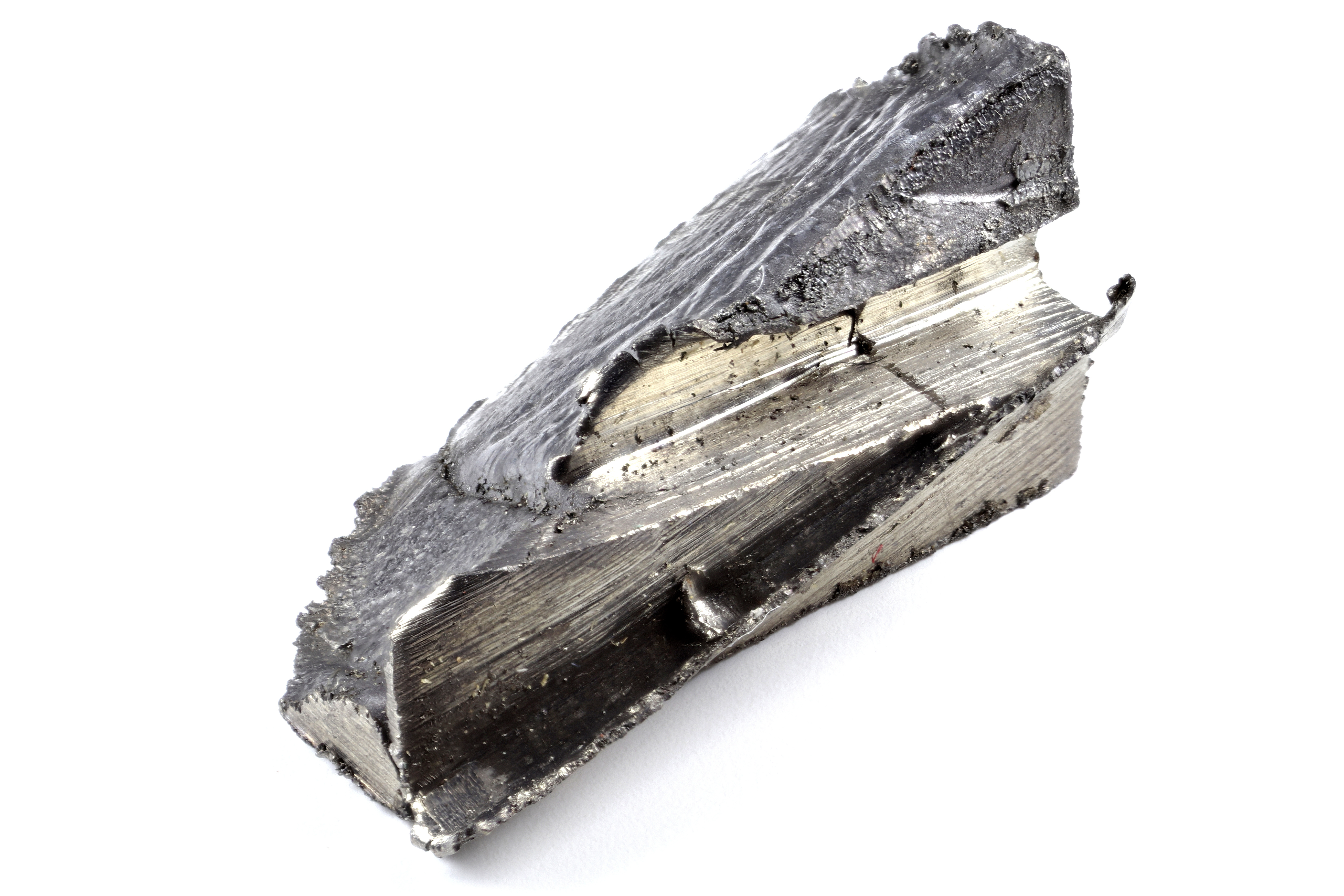
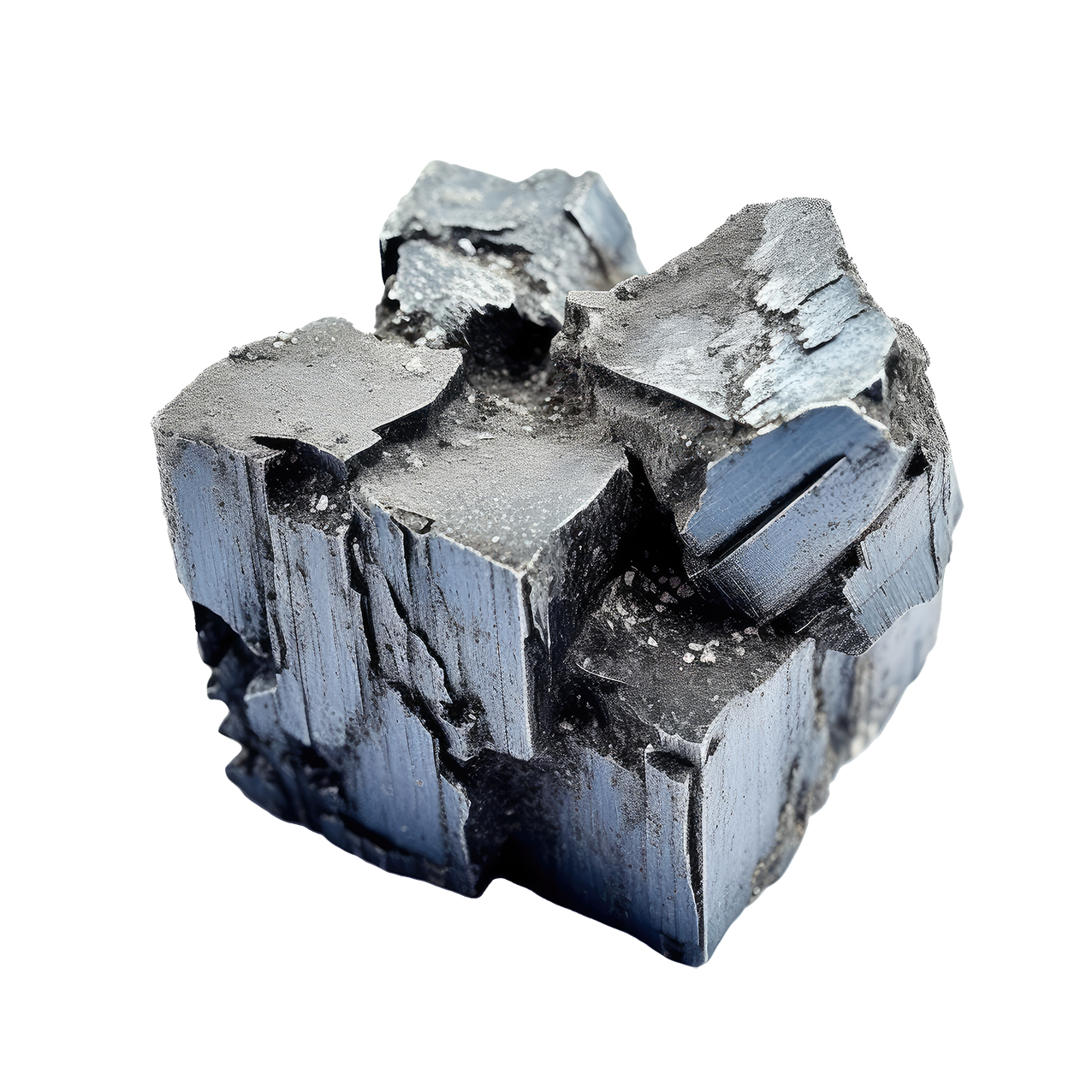
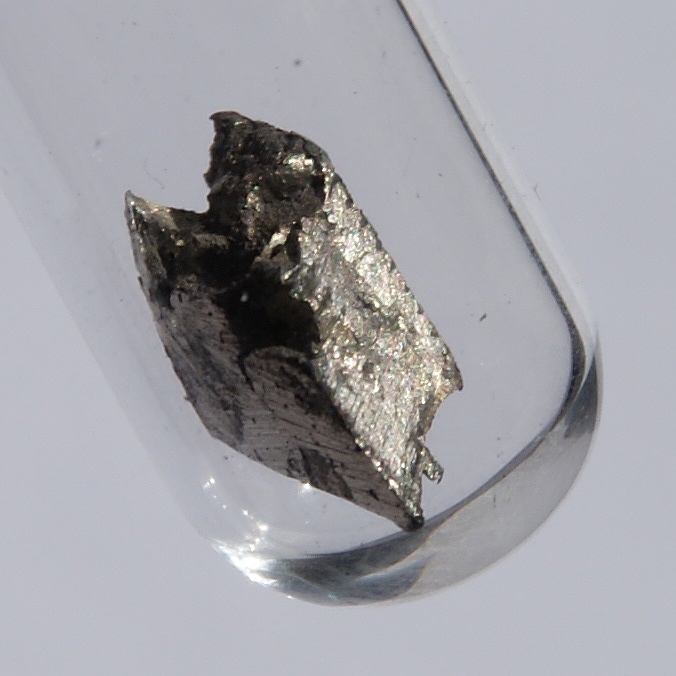
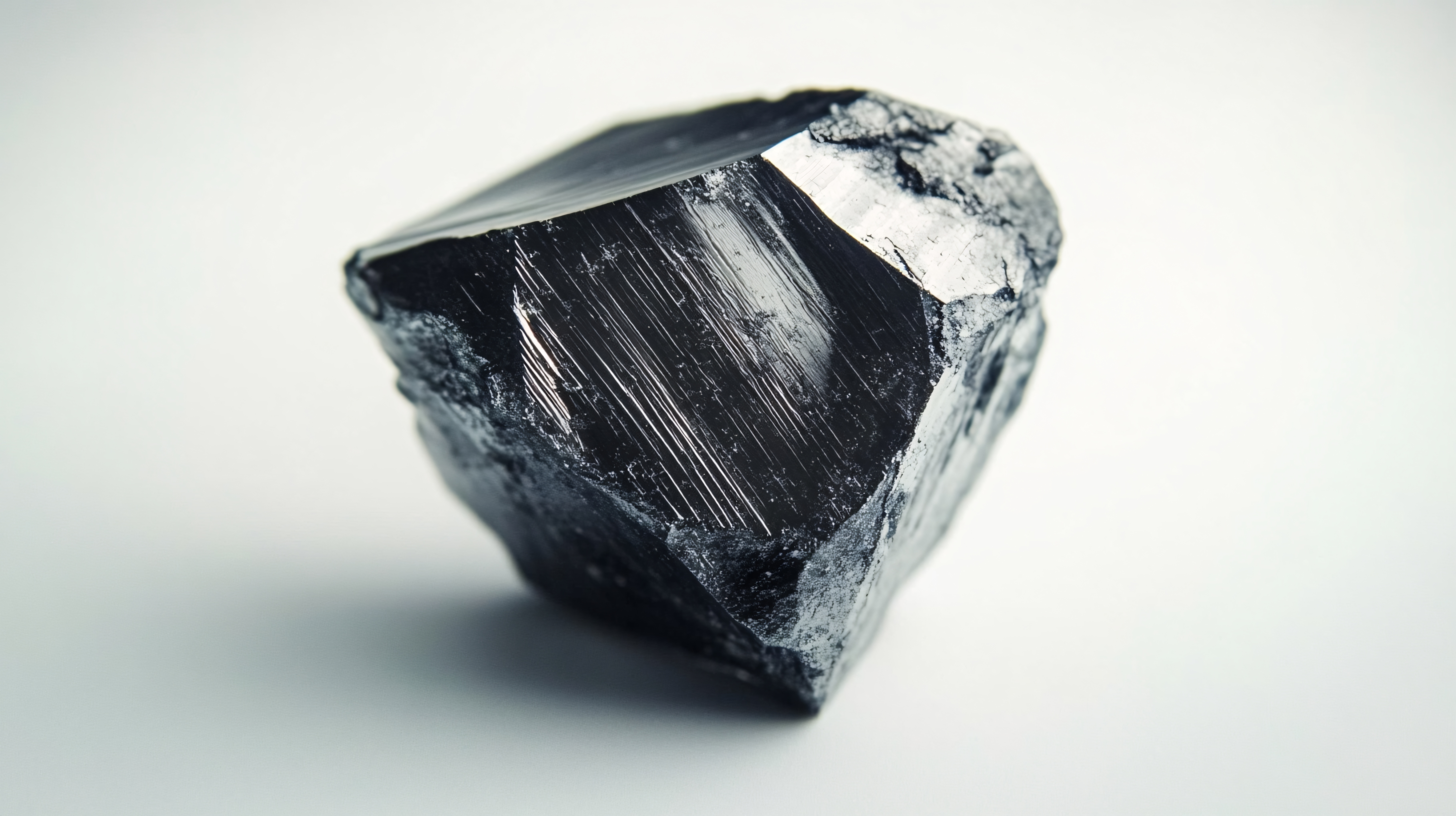
Zirconium is a silvery-shiny, highly corrosion-resistant heavy metal. It is relatively soft and malleable and can be easily processed by rolling, forging, and hammering. It is also a good heat conductor.

Its name is derived from zircon, the most common zirconium mineral, which also contains hafnium. Due to their similar properties, the two elements are difficult to separate from each other. Like ilmenite, zircon is mainly extracted from heavy sand.

Due to its low neutron absorption, the nuclear power industry is one of the most important consumers of zirconium, alongside the chemical industry.

The largest producer is Australia, followed by South Africa.

The Richards Bay Minerals mine in South Africa is one of the largest zircon mines. It is operated by Rio Tinto, one of the largest zirconium producers.

The Australian company Iluka Resources is the leading zircon producer.

  • History

    In 1789, German chemist Martin Heinrich Klaproth analyzed the mineral zircon. The name is derived from the Arabic “zarqun” (gold-colored) or Persian “zargun” (gold-like), inspired by the color of zircon gemstones.
    In 1824, Swedish researcher Jöns Jakob Berzelius succeeded in producing impure zirconium metal. However, it was unusable due to contamination.

    In 1914, Dutch chemists Jan Hendrik de Boer and Anton Eduard van Arkel succeeded in producing high-purity zirconium for the first time.

    Industrial use began in the 1940s with the US atomic program, when it was discovered that zirconium has ideal properties for nuclear reactors. In the 1950s, the US company Kroll Metals developed a zirconium alloy that is still used in reactors today.

    Since the 1960s, zirconium materials have been used in hip implants and dental crowns.

  • Application

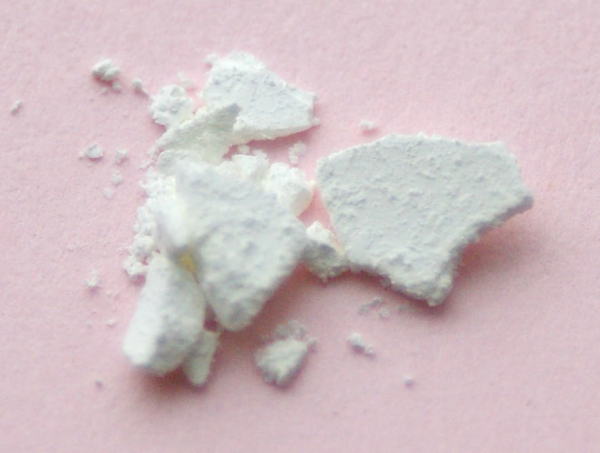
    Zirconium is used as zirconium dioxide and as zirconium metal.

    The most important application of zirconium metal is in nuclear power, where it is an important material for fuel rod cladding in nuclear reactors, as it hardly absorbs neutrons and thus does not hinder the chain reaction. However, this zirconium cladding must not contain hafnium. Since zirconium can handle heat and corrosion in cooling water, it's also used in reactor pressure vessel linings.

    In the chemical industry, it's used to protect tanks and heat exchangers from harsh chemicals.

    Zirconium metal is also good for superalloys in aircraft turbine blades.

    Zirconium dioxide is used in medical implants due to its biocompatibility. Other applications include high-temperature ceramics, semiconductors, and wear-resistant coatings.

  • Occurrence, Mining and Extraction

    Zircon, the most important zirconium mineral, contains approximately 50 percent zirconium dioxide. The hafnium content varies depending on the deposit, but ranges between one and four percent.

    Due to the strong chemical similarity between hafnium and zirconium, separating the two elements from each other is very complex and expensive. The preferred methods for separating hafnium and zirconium are ion exchange and solvent extraction techniques.
    For some purposes, however, it is not necessary to separate the two elements.

    Australia dominates zircon production with around 30 percent. The country also has by far the largest zircon reserves in the world. The Australian company Iluka Resources is also the global market leader.

    South Africa is the second-largest producer of zircon, followed by Mozambique.

    The USA also produces zircon. The US company Tronox is one of the top three global players in zirconium, along with Rio Tinto.

    Global zircon production amounts to around 1.5 million tons. Zirconium metal production is estimated at 6,000 tons.

  • Substitution

    Chromite and olivine can be used in place of zirconium in some foundry applications. Dolomite and spinel can also replace zirconium in certain high-temperature applications.
    Niobium (columbium), stainless steel, and tantalum offer limited substitutes for nuclear applications.
    Titanium and synthetic materials can serve as substitutes in some chemical processing plants.
    Boron or cadmium-silver-indium alloys are sometimes used in place of hafnium metal in control rods in nuclear power plants.
    Zirconium can be used interchangeably with hafnium in certain superalloys.

Zirconium, Zr, transition metal, refractory metal, corrosion-resistant metal, dense metal, high-temperature metal, industrial metal, nuclear applications, alloying element, metal properties, ISE AG metals, ISE AG

Read more …Zirconium

  • Hits: 473

Tungsten

W • Atomic Number 74

Tungsten

Tungsten is a shiny white, exceptionally hard, very dense, and rare metal with good electrical conductivity. At 3,422 degrees Celsius, it has the highest melting point of all chemical elements.

Its best-known use is as a filament in light bulbs.
The most important application is as an alloy additive in steels to increase hardness and strength in industrial tools, as well as tungsten carbide in industrial tools and military applications.

China is by far the largest producer of tungsten, accounting for over 83% of global production.

The Xihuashan Mine in China is the largest active tungsten mine in the world. It is operated by China Tungsten High-Tech.

Due to its rarity and military applications, tungsten is considered a critical raw material in the EU, the US, Japan, South Korea, the UK, Australia, and Canada.

  • History

    In 1781, Swedish chemist Carl Wilhelm Scheele discovered tungstic acid in a mineral now known as scheelite. His compatriot Torbern Bergman concluded that a new metal could be produced from the acid.
    The brothers and chemists Juan José and Fausto Elhuyar succeeded in doing so in 1783 by reducing wolframite from the Saxon Ore Mountains with charcoal.

    The name tungsten goes back to the Freiberg mineralogist Georgius Agricola, who probably described a tungsten-containing mineral as early as the 16th century and gave it the Latin name “lupi spuma,” which means wolf foam. The term “tungsten,” commonly used in other languages, comes from Swedish and means “heavy stone.”

    Due to its extremely high melting point, tungsten was initially difficult to process.

    From the mid-19th century onwards, tungsten was used in steel alloys to manufacture harder tools.

    At the end of the 19th century, with the advent of electric light, tungsten wire, which did not melt as quickly, replaced carbon filaments in light bulbs.

    In the 20th century, tungsten carbide (WC) was developed for armor-piercing ammunition and extremely hard cutting tools.

  • Applications and Uses

    Due to its exceptional physical properties, tungsten is used in a wide range of applications. Tungsten carbide is used in the manufacture of hard metals for cutting, mining, and wire drawing tools, as well as in the defense industry for armor-piercing ammunition, grenades, and armor plating.

    In alloys, tungsten provides heat resistance in valves, turbine wheels of aircraft engines, and rocket nozzles, while also protecting against wear.

    Tungsten is also used in electronics in electrodes, in the semiconductor industry for microchips, and in X-ray tubes.

    Due to its density, tungsten is also used for radiation shielding.

  • Occurrence, Mining and Extraction

    Important ores include wolframite and scheelite.

    Over 80 percent of tungsten is mined in China, which also has some of the largest tungsten deposits. The Xihuashan Mine in Jiangxi Province is the largest active tungsten mine in the world. It is operated by Tungsten High-Tech, a subsidiary of the state-owned China Minmetals Corporation.

    After China, Vietnam is the second largest mining country for tungsten. The Nui Phao Mine in Vietnam is the largest tungsten mine outside China. It is operated by Masan Resources. Russia ranks third, but figures on production volumes are scarce.

    There are also several tungsten producers in the EU. In Austria, Wolfram Bergbau und Hütten AG operates a small underground mine in the Alps. The company, which belongs to the Swedish Sandvik Group, obtains most of its raw material from recycling. In addition, there are smaller tungsten mines in operation in Portugal and Spain.

    Global annual production amounts to around 80,000 tons.

    The recycling of scrap is an important source for the tungsten industry.

  • Substitution

    Possible substitutes for tungsten carbides are hard metals based on molybdenum carbide, niobium carbide, or titanium carbide, ceramics, ceramic-metal composites, and tool steels. Most of these options reduce tungsten consumption rather than replacing it.
    Possible substitutes for other applications include: molybdenum for certain tungsten rolled products; molybdenum steels for tungsten steels, although most molybdenum steels still contain tungsten.
    Depleted uranium or lead replace tungsten or tungsten alloys in applications requiring high density or radiation shielding capabilities.
    Depleted uranium alloys or hardened steel can substitute for tungsten carbides or tungsten alloys in armor-piercing projectiles.
    In some applications, substitution would result in higher costs or compromised performance.

  • Unique Properties

    Physical Properties

    Tungsten is a shiny white metal that is ductile in its pure state and has high hardness, density, and strength. Its density is almost as high as that of gold, its Brinell hardness is 250 HB, and its tensile strength ranges from 550-620 N/mm² (soft) to 1920 N/mm² (hard). The metal exists in a stable cubic body-centered α modification with a lattice constant of 316 pm at room temperature. This type of crystal structure is often referred to as the tungsten type. A substance known as a metastable β modification of tungsten (distorted body-centered cubic) is, however, the tungsten-rich oxide W3O.

    After carbon, tungsten has the second highest melting point of all chemical elements at 3422 °C. Its boiling point of 5555 °C is surpassed only by the rare metal rhenium at 5596 °C, which is 41 K higher.


    The metal is a superconductor with a transition temperature of 15 mK.
    .

    Chemical Properties

    Tungsten is a chemically very resistant metal that is hardly attacked even by hydrofluoric acid and aqua regia (at least at room temperature). However, it dissolves in mixtures of hydrochloric and nitric acid and molten mixtures of alkali nitrates and carbonates.


  • Isotopes

    A total of 33 isotopes and 5 nuclear isomers of tungsten are known. Of these, five isotopes — ¹⁸⁰W, ¹⁸²W, ¹⁸³W, ¹⁸⁴W, and ¹⁸⁶W — occur naturally. Among them, the isotope ¹⁸⁴W has the highest natural abundance.

    For a long time, all five natural isotopes were considered stable. However, in 2004, the CRESST experiment at the Laboratori Nazionali del Gran Sasso succeeded, as a byproduct of its search for dark matter, in detecting that the isotope ¹⁸⁰W undergoes alpha decay. Its half-life is extremely long — about 1.8 trillion years — making this decay undetectable under normal laboratory conditions.

    The radioactivity of this natural isotope is so low that it can be ignored for all practical purposes.
    In contrast, the artificial radioactive isotopes of tungsten have much shorter half-lives, ranging from 0.9 millisecondsfor ¹⁸⁵W to 121.2 days for ¹⁸¹W.

  • Safety Information

    As a powder or dust, it is easily flammable; in compact form, it is non-combustible.

  • Compounds

    Oxides

    Tungsten forms several oxides. Between the initial compound:

    • Tungsten(VI) oxide WO₃ – lemon yellow

    and the final compound:

    • Tungsten(IV) oxide WO₂ – brown

    there are the following intermediate oxides:

      • W₁₀O₂₉, blue-violet, homogeneity range WO₂.₉₂–WO₂.₈₈

      • W₄O₁₁, red-violet, homogeneity range WO₂.₇₆–WO₂.₇₃

      • W₁₈O₄₉, WO₂.₇₂

      • W₂₀O₅₀, WO₂.₅₀

      Other Compounds

        • Sodium tungstate Na₂WO₄

        • Zirconium tungstate ZrW₂O₈ – shows an anomaly upon heating.

        • Tungsten bronzes MₓWO₃, where M = alkali, alkaline earth, or lanthanoid metal, ca. 0.3 < x < 0.9. These are electrically conductive and exhibit intense colors depending on metal content.

        • Calcium tungstate CaWO₄, known as the mineral scheelite.

        • Tungsten carbide WC, an extremely hard, metallic-like compound. There is also ditungsten carbide W₂C.

        • Tungsten hexafluoride WF₆

        • Lead tungstate PbWO₄

        • Tungsten disulfide WS₂, used as a dry lubricant (similar to MoS₂).

        Uses of the Compounds

        Tungsten carbide is used as a neutron reflector in nuclear weapons to reduce the critical mass. Tungsten carbides (hard metals) are also used in machining due to their high hardness.

        Tungstates are used to impregnate fabrics, making them flame-retardant.

        Tungsten-based pigments are used in painting, as well as in the ceramics and porcelain industries.

        Lead tungstate is used as a modern scintillator in particle physics.

        General Information
        Name, Symbol, Atomic Number Tungsten, W, 74
        Series Transition metals
        Group, Period, Block 6, 6, d
        Appearance Grayish-white, shiny
        CAS Number 7440-33-7
        Proportion in Earth’s crust 64 ppm
        Atomic Properties
        Atomic mass 183,84 u
        Atomic radius (calculated) 135 (193) pm
        Covalent radius 162 pm
        Electron configuration [Xe] 4f145d46s2
        1. ionization energy 770 kJ/mol
        2. ionization energy 1700 kJ/mol
        Physical Properties
        State of matter Solid
        Crystal structure Body-centered cubic
        Density 19,3 g/cm3 (20 °C)
        Mohs hardness 7,5
        Magnetism Paramagnetic (chi_{m} = 7,8 · 10−5)
        Melting point 3695 K (3422 °C)
        Boiling point 5828 K (5555 °C)
        Molar volume 9,47 · 10−6 m3/mol
        Heat of vaporization 824 kJ/mol
        Heat of fusion 35,4 kJ/mol
        Speed of sound 5174 m/s
        Specific heat capacity 138 J/(kg · K)
        Electrical conductivity 18,52 · 106 A/(V · m)
        Thermal conductivity 170 W/(m · K)
        Chemical Properties
        Oxidation states 6, 5, 4, 3, 2
        Standard electrode potential −0,119 V (WO2 + 4H+ + 4e
        → W + 2H2O)
        Electronegativity (Pauling) 2,36
        Isotopes
        Isotop NH t1/2 ZA ZE (MeV) ZP
        178W {syn.} 21,6 d ε 0,091 178Ta
        179W {syn.} 37,05 min ε 1,060 179Ta
        180W 0,13 % 1,8 · 1018 a α 2,516 176Hf
        181W {syn.} 121,2 d ε 0,188 181Ta
        182W 26,3 % Stable
        183W 14,3 % Stable
        184W 30,67 % Stable
        185W {syn.} 75,1 d β 0,433 185Re
        186W 28,6 % Stable
        187W {syn.} 23,72 h β 1,311 187Re
        188W {syn.} 69,4 d β 0,349 188Re
         
        NMR Properties
         Isotope Spin γ
        (rad·T−1·s−1)
        Er(1H) fL (MHz) at
        B = 4,7 T
        183W 1/2 1,128 · 107 1,07 · 10−5 4,166
        Safety Information
        GHS Hazard Identification (powder form)
        02 – Leicht-/Hochentzündlich
        • H- and P-statements: H: 228 EUH: none P:210–240–241–280–370+378

        Hazard Labeling

        Leichtentzündlich
        Highly flammable
        (F)

        Powder — R and S phrases: R: 11 S: 43


      Tungsten, W, wolfram, refractory metal, highest melting point, dense metal, industrial uses, tungsten carbide, alloying element, high-temperature applications, electronic contacts, metal properties, ISE AG metals, ISE AG

      Read more …Tungsten

      • Hits: 656

      Vanadium

      V • Atomic Number 23

      Vanadium

      Vanadium is a silver-white transition metal with good mechanical stability and ductility. It has a very high melting point and is corrosion-resistant.
      Its main application is as an additive in steel and titanium alloys to improve their strength and heat and corrosion resistance, and as a catalyst for chemicals.

      The importance of vanadium redox batteries for energy storage is increasing, and with it the role of vanadium as a strategic raw material. In the EU, vanadium is on the list of critical raw materials.

      China, South Africa, and Russia are the leading vanadium-producing countries.

      The Canadian-Brazilian manufacturer Largo is the market leader in vanadium products, particularly high-purity vanadium pentoxide and vanadium electrolytes for batteries.

      Vanadium is listed as a critical raw material in the EU and the US.

      • History

        Vanadium was discovered in 1801 by Spanish-Mexican mineralogist Andrés Manuel del Río and named panchromium or erythronium. However, it was subsequently considered to be impure chromium.

        The element was rediscovered in 1830 by Swedish chemist Nils Gabriel Sefström and named after Vanadis, the Scandinavian goddess of beauty and youth. The name was suggested because of the beautiful colors of vanadium compounds in solution.
        English chemist Henry Enfield Roscoe first isolated the metal in 1867 by hydrogen reduction of vanadium dichloride.

        American chemists John Wesley Marden and Malcolm N. Rich obtained it in 1925 in a purity of 99.7 percent by reducing vanadium pentoxide V₂O₅ with metallic calcium.

        At the beginning of the 20th century, it was discovered that vanadium significantly increases the strength of steel. Henry Ford used it in the Model T (1908), which established vanadium's reputation as an alloying metal.

        Today, vanadium is important for redox flow batteries, high-performance steels, and special alloys.

        The most stable artificial isotopes are ⁴⁸V with a half-life of 16 days and ⁴⁹V with a half-life of 330 days. These are used as tracers. All other isotopes and nuclear isomers are very unstable and decay in minutes or seconds.

      • Applications and Uses

        90 percent of vanadium demand comes from the steel industry, where vanadium is used in various steels and alloys for tools, axles, crankshafts, gears, and other critical components, as well as in jet engines and aircraft jets.

        Vanadium is becoming increasingly important for vanadium redox flow batteries (VRFB). VRFBs are particularly suitable for large-scale renewable energy storage facilities, as they enable highly secure and environmentally friendly medium- and long-term energy storage. However, the limited availability of vanadium as a raw material is a disadvantage of VRFB technology.

        Other applications include high-tech applications such as superconductors, nuclear reactors, catalysts, ceramics, and glass.

      • Occurence, Mining and Extraction

        Vanadinit

        Although there are vanadium-containing ores such as carnotite, vanadinit, and roscoellite, vanadium is mostly produced as a by-product of iron (magnetite) and titanium mines (titanomagnetite).

        China is the world leader in vanadium mining, with a 60 percent share of the global market. The most important company is Pangang in Sichuan, a major titanium ore producer.

        In Russia, vanadium is produced as a by-product of steel and iron ore processing in the Urals. The EVRAZ Group is a key global player alongside VSMPO-AVISMA.

        The Bushveld Complex in South Africa is another important source of vanadium mining. Brazil and Australia also mine vanadium.

        Global annual production is around 100,000 tons.

      • Substitution

        Steels with various combinations of other alloying elements can replace vanadium-containing steels.
        Certain metals such as manganese, molybdenum, niobium (columbium), titanium, and tungsten are interchangeable to a certain extent as alloying elements in steel with vanadium.
        Platinum and nickel can replace vanadium compounds as catalysts in some chemical processes.
        Currently, there is no acceptable substitute for vanadium for use in titanium alloys for aerospace applications.
      • Unique Properties

        Physical Properties


        Crystal structure of vanadium, a = 302.4 pm

        Vanadium is a non-magnetic, tough, malleable, and distinctly steel-blue heavy metal with a density of 6.11 g/cm³. Pure vanadium is relatively soft, but becomes harder when mixed with other elements and then has high mechanical strength. In most properties, it resembles its neighbor in the periodic table, titanium. The melting point of pure vanadium is 1910 °C, but this is significantly increased by impurities such as carbon. With a carbon content of 10%, it is around 2700 °C. Like chromium and niobium, vanadium crystallizes in a body-centered cubic crystal structure with the space group Im\bar{3}m and the lattice parameter a = 302.4 pm, as well as two formula units per unit cell.

        Below a transition temperature of 5.13 K, vanadium becomes a superconductor. Like pure vanadium, alloys of vanadium with gallium, niobium, and zirconium are also superconductive. At temperatures below 5.13 K, vanadium, like the vanadium group metals niobium and tantalum, exhibits a previously unexplained spontaneous electrical polarization in tiny clusters of up to 200 atoms, which is otherwise only found in non-metallic substances.

        Chemical Properties

        Vanadium is a base metal and is capable of reacting with many non-metals. When exposed to air, it retains its metallic luster for weeks. When observed over longer periods of time, green rust becomes clearly visible. If vanadium is to be preserved, it must be stored under argon. When heated, it is attacked by oxygen and oxidized to vanadium(V) oxide. While carbon and nitrogen only react with vanadium when white-hot, the reaction with fluorine and chlorine takes place even at low temperatures.

        Vanadium is usually stable at room temperature when exposed to acids and bases due to a thin, passivating oxide layer. It is only attacked by hydrofluoric acid and strongly oxidizing acids such as hot nitric acid, concentrated sulfuric acid, and aqua regia.

        Vanadium is capable of absorbing hydrogen up to a temperature of 500 °C. This makes the metal brittle and easy to pulverize. The hydrogen can be removed at 700 °C in a vacuum.
      • Detection

        A preliminary test is provided by the phosphorus salt bead, in which vanadium appears characteristically green in the reduction flame. The oxidation flame is faintly yellow and therefore too unspecific.

        Qualitative detection of vanadium is based on the formation of peroxovanadium ions. For this purpose, an acidic solution containing vanadium in the oxidation state +5 is mixed with a small amount of hydrogen peroxide. This forms the reddish-brown [V(O₂)]³⁺ cation. This reacts with larger amounts of hydrogen peroxide to form the faint yellow peroxovanadium acid H₃[VO₂(O₂)₂].

        Vanadium can be determined quantitatively by titration. To do this, a sulfuric acid solution containing vanadium is oxidized to pentavalent vanadium with potassium permanganate and then back-titrated with an iron(II) sulfate solution and diphenylamine as an indicator. It is also possible to reduce the pentavalent vanadium present with iron(II) sulfate to the tetravalent oxidation state and then perform potentiometric titration with potassium permanganate solution.

        In modern analytics, vanadium can be detected using several methods. These include, for example, atomic absorption spectrometry at 318.5 nm and spectrophotometry with N-benzoyl-N-phenylhydroxylamine as a color reagent at 546 nm.

      • Biological Significance

        Biological significance: Vanadium compounds have various biological significance. Vanadium is characterized by the fact that it occurs both anionically as vanadate and cationically as VO₂⁺, VO²⁺, or V³⁺. Vanadates are very similar to phosphates and have correspondingly similar effects. Since vanadate binds more strongly to suitable enzymes than phosphate, it is able to block and thus control phosphorylation enzymes. This affects, for example, sodium-potassium ATPase, which controls the transport of sodium and potassium in cells. This blockage can be quickly reversed with desferrioxamine B, which forms a stable complex with vanadate. Vanadium also influences glucose uptake. It is able to stimulate glycolysis in the liver and inhibit the competing process of gluconeogenesis. This leads to a reduction in blood glucose levels. Therefore, research is being conducted to determine whether vanadium compounds are suitable for the treatment of type 2 diabetes mellitus. However, no clear results have been found yet. In addition, vanadium also stimulates the oxidation of phospholipids and suppresses the synthesis of cholesterol by inhibiting squalene synthase, a microsomal enzyme system in the liver. Consequently, a deficiency causes increased concentrations of cholesterol and triglycerides in the blood plasma.

        In plants, vanadium plays a role in photosynthesis. It is able to catalyze the reaction for the formation of 5-aminolevulinic acid without enzymes. This is an important precursor for the formation of chlorophyll.

        Vanadium-containing enzymes occur in some organisms; for example, some species of bacteria have vanadium-containing nitrogenases for nitrogen fixation. These include species of the genus Azotobacter and the cyanobacterium Anabaenavariabilis. However, these nitrogenases are not as efficient as the more common molybdenum nitrogenases and are therefore only activated in the event of molybdenum deficiency. Other vanadium-containing enzymes are found in brown algae and lichens. These possess vanadium-containing haloperoxidases, which they use to build chlorine, bromine, or iodine organic compounds.

        The function of vanadium, which is present in large quantities in sea squirts as metalloproteins called vanabins, is not yet known. It was originally assumed that vanadium serves as an oxygen transporter similar to hemoglobin; however, this has been proven to be incorrect.

        Hazards

        Like other metal dusts, vanadium dust is flammable. Vanadium and its inorganic compounds have been shown to be carcinogenic in animal experiments. They are therefore classified as carcinogenic category 2. If vanadium dust is inhaled by workers in metal smelting over a long period of time, it can lead to a condition known as vanadism. This recognized occupational disease can manifest itself in mucous membrane irritation, green-black discoloration of the tongue, and chronic bronchial, lung, and intestinal diseases.

      • Compounds

        Compounds: Vanadium can occur in compounds in various oxidation states. The most common states are +5, +4, +3, and +2, while +1, 0, −1, and −3 are less common. The most important and stable oxidation states are +5 and +4.

        Aqueous solution

        In aqueous solution, vanadium can easily be converted to different oxidation states. Since the various vanadium ions have characteristic colors, this results in color changes.

        In acidic solution, pentavalent vanadium forms colorless VO₂⁺ ions, which initially become blue tetravalent VO²⁺ ions upon reduction. The trivalent state with V³⁺ ions is green in color, while the lowest state achievable in aqueous solution, the divalent V²⁺ ion, is gray-violet.

        Oxygen compounds

        The most important and stable vanadium-oxygen compound is vanadium(V) oxide V₂O₅. This orange-colored compound is used in large quantities as a catalyst for sulfuric acid production. It acts as an oxygen carrier and is reduced during the reaction to another vanadium oxide, vanadium(IV) oxide VO₂. Other well-known vanadium oxides are vanadium(III) oxide V₂O₃ and vanadium(II) oxide VO.

        In alkaline solution, vanadium(V) oxide forms vanadates, salts with the anion VO₄³⁻ . In contrast to the analogous phosphates, however, the vanadate ion is the most stable form; hydrogen and dihydrogen vanadates as well as free vanadic acid are unstable and are only known in dilute aqueous solutions. When basic vanadate solutions are acidified, polyvanadates are formed instead of hydrogen vanadates, in which up to ten vanadate units are combined. Vanadates are found in various minerals, examples being vanadinite, descloisite, and carnotite.

        Halogen compounds

        Vanadium forms a variety of compounds with the halogens fluorine, chlorine, bromine, and iodine. In the oxidation state +5, only one compound is known, vanadium(V) fluoride. In the oxidation states +4, +3, and +2, compounds exist with all halogens; only with iodine are compounds known in the states +2 and +3. However, only the chlorides vanadium(IV) chloride and vanadium(III) chloride are technically relevant. Among other things, they serve as catalysts for the production of ethylene-propylene-diene rubber.

        Vanadium oxide chlorides

        Vanadium also forms mixed salts with oxygen and chlorine, known as vanadium oxide chlorides. Vanadium(III) oxide chloride, VOCl, is a yellow-brown, water-soluble powder. Vanadium(IV) oxide chloride, VOCl₂, which is used in photography and as a textile dye, consists of green, hygroscopic crystal plates that dissolve in water with a blue color. Vanadium(V) oxide chloride, VOCl₃, is a yellow liquid that is very easily hydrolyzed by water. VOCl₃ serves as a catalyst component in low-pressure ethylene polymerization.

        Other vanadium compounds

        In organic vanadium compounds, vanadium reaches its lowest oxidation states of 0, −I, and −III. Metallocenes, known as vanadocenes, are particularly important here. These are used as catalysts for the polymerization of alkynes.

        Vanadium carbide VC is used in powder form for plasma spraying and plasma powder welding, among other things. Vanadium carbide is also added to hard metals to reduce grain growth. This produces so-called cermets, which are particularly hard and wear-resistant.

        General Information
        Name, Symbol, Atomic Number Vanadium, V, 23
        Series Übergangsmetalle
        Group, Period, Block 5, 4, d-block
        Appearance Steel-gray metallic, with a bluish sheen
        CAS Number 7440-62-2
        Mass Fraction in Earth’s Crust 0,041 %
        Atomic Properties
        Atomic Mass 50,9415 u
        Atomic Radius (calculated) 135 (171) pm
        Covalent Radius 153 pm
        Electron Configuration [Ar] 3d3 4s2
        1. Ionization Energy 650,9 kJ/mol
        2. Ionization Energy 1414 kJ/mol
        3. Ionization Energy 2830 kJ/mol
        4. Ionization Energy 4507 kJ/mol
        5. Ionization Energy 6298,7 kJ/mol
        Physical Properties
        State at 20 °C Solid
        Crystal Structure Body-centered cubic (bcc)
        Density 6,11 g/cm3 (at 20 °C)
        Mohs Hardness 7,0
        Magnetism Paramagnetic (\chi_{m} = 3,8 · 10−4)
        Melting Point 2183 K (1910 °C)
        Boiling Point 3680 K (3407 °C)
        Molar Volume 8,32 · 10−6 m3/mol
        Heat of Vaporization 453 kJ/mol
        Heat of Fusion 21,5[5] kJ/mol
        Speed of Sound 4560 m/s at 293,15 K
        Specific Heat Capacity 489 J/(kg · K)
        Electrical Conductivity 5 · 106 A/(V · m)
        Thermal Conductivity 31 W/(m · K)
        Chemical Properties
        Common Oxidation States +5, +4 ,+3 ,+2
        Electronegativity (Pauling scale) 1,63
        Isotopes
        Isotope NH t1/2 ZA ZE (MeV) ZP
        48V {syn.} 15,9735 d ε 4,012 48Ti
        49V {syn.} 330 d ε 0,602 49Ti
        50V 0,25 % 1,5 · 1017 a ε 2,208 50Ti
        β 1,037 50Cr
        51V 99,75 % Stable
         
        Safety Information
        GHS Hazard Pictograms
        No GHS pictograms

        H- and P-Statements H: No H-statements EUH: No EUH-statements P: No P-statements Hazard labeling (powder form)

        Leichtentzündlich Reizend
        Highly flammable Irritant
        (F) (Xi)

        R- and S-phrasesR: 17-36/37/38 (powder)S: 7-26-33-37-43-60 (powder)


      Read more …Vanadium

      • Hits: 686

      Titanium

      Ti • Atomic Number 22

      Titanium 

      Titanium is a silver-gray, lightweight, high-strength, and low-corrosion structural metal.
      Pure titanium is ductile and similar in strength to steel, but almost half as light.

      The main use of titanium metal is in aerospace because it combines lightness with high strength. Due to its biocompatibility, it is also an important material for medical implants.

      Titanium is widely distributed in the Earth's crust.

      By far the most important source of titanium ore is China, followed by Mozambique and South Africa.

      The Russian company VSMPO-AVISMA is the world market leader in the production of pure titanium and titanium alloys.

      Due to its strategic importance in military and aerospace applications, titanium is a critical raw material in many countries, including the EU.

      • History

        A compound of titanium and oxygen was discovered in 1791 by the English chemist and mineralogist William Gregor and rediscovered and named independently in 1795 by the German chemist Martin Heinrich Klaproth.

        The metal was not isolated in its pure form until 1910 by New Zealand metallurgist Matthew A. Hunter through the reduction of titanium tetrachloride with sodium in an airtight steel cylinder. However, the process known as the Hunter process proved to be very inefficient, which is why the element was not used industrially for a long time and was only used in laboratories.

        In 1938, Luxembourg metallurgist William Justin Kroll revolutionized titanium production by reducing titanium(IV) chloride with magnesium. The Kroll process, named after him, is still used today and enabled the commercial exploitation of titanium.

        The first pilot plant was built in Boulder City in the USA in 1944. The Soviet titanium industry was born in 1953 with the founding of VSMPO-AVISMA, which is now the world leader in this field.

      • Applications and Uses

        More than 95 percent of the world's titanium ore raw materials are used to produce titanium dioxide for the manufacture of pigments, which are mainly used in paints, paper, and plastics.

        The rest of the titanium ore is processed into titanium sponge, which is the starting material for titanium metal and titanium-iron alloys.
        The most important industries for titanium metal and titanium alloys are aerospace, which accounts for around half of consumption. Titanium is used in NASA and SpaceX rockets, for example. Titanium alloys are also important in military jets and combat submarines.

        Due to its biocompatibility, titanium is an important material for medical technology: from artificial hip and knee joints to dental implants and pacemaker housings to surgical instruments.

        In the chemical industry, titanium is used in pipes and containers for aggressive chemicals due to its high corrosion resistance.
        The automotive industry is another consumer of titanium materials, especially in high-performance engines and motorsports.

        This lightweight but very strong material is also used in sporting goods, eyeglass frames, architecture, and jewelry.

      • Occurrence, Mining and Extraction

        The two most important commercial minerals are ilmenite and rutile. Natural rutile, with a 95 percent titanium dioxide content, is significantly purer than ilmenite, whose processing requires more steps and the use of environmentally harmful chemicals. Nevertheless, the extraction of ilmenite from heavy sand dominates titanium ore production, accounting for 90 percent of the total.

        China is the largest producer of titanium ores from ilmenite, followed by Mozambique and South Africa.

        Australia is the largest producer of rutile, followed by South Africa.

        Over 95 percent of titanium mineral goes into titanium dioxide production. The rest is used for the production of alloys and titanium metal.

        The production of pure titanium is difficult due to its reactivity. Titanium cannot be obtained by the usual method of reducing the oxide with carbon, as this easily produces a very stable carbide and the metal also reacts strongly with oxygen and nitrogen at elevated temperatures. Therefore, special processes were developed that transformed titanium from a laboratory curiosity into an important commercially produced structural metal after 1950.

        Global annual production of titanium sponge, the precursor to titanium metal, amounts to around 320,000 tons, while annual titanium dioxide production reaches almost 10 million tons. China is the leader in titanium sponge production, accounting for 60 percent of the world market, followed by Russia, Japan, and Kazakhstan.

        The largest single producer of titanium sponge is Pangang from Sichuan, China. The Japanese manufacturer Toho Titanium and the Kazakh company Ust-Kamnogorsk are other important players.

        Saudi Arabia and India are not yet significant producers, but have plans to significantly expand their titanium sponge production.

      • Substitution

        Few materials offer the strength-to-weight ratio and corrosion resistance of titanium metal. In high-strength applications, titanium competes with aluminum, composite materials, intermetallic compounds, steel, and superalloys. Aluminum, nickel, special steels, and zirconium alloys can replace titanium in applications that require corrosion resistance.
        Ground calcium carbonate, precipitated calcium carbonate, kaolin, and talc compete with titanium dioxide as white pigments.

      Read more …Titanium

      • Hits: 475